The Big Island is bigger than all the other Hawaiian islands put together, and that is the first thing to plan around. You can float above manta rays at night, stand on the rim of an active volcano and watch the sun go down from the summit of Maunakea, but not all on the same day, and not from the same hotel without a lot of driving.
We work on the water off Kona and on the trails on both sides of the island. This is the list we give friends: the 17 tours we would book, in order, plus the free stops, the honest difference between the Kona side and the Hilo side, and a table for people who just want the answer.
How this list works
We ranked these by what visitors talk about when they step off the boat or out of the van, weighed against price, reliability and how hard the trip is to do on your own. Each one has its own page with prices, ages, check-in details and the fine print, and the full set lives on our ranked list of Big Island adventures.
Two things to know before you start. First, every price below is a “from” rate before tax and booking fees. Second, distances are real here: Kona to Hilo is about two hours over Saddle Road, and Kona to the volcano is about two and a half hours on the south route. Our Big Island areas map shows where each tour leaves from.
The 17 best Big Island tours, ranked
1. The Kona manta ray night snorkel
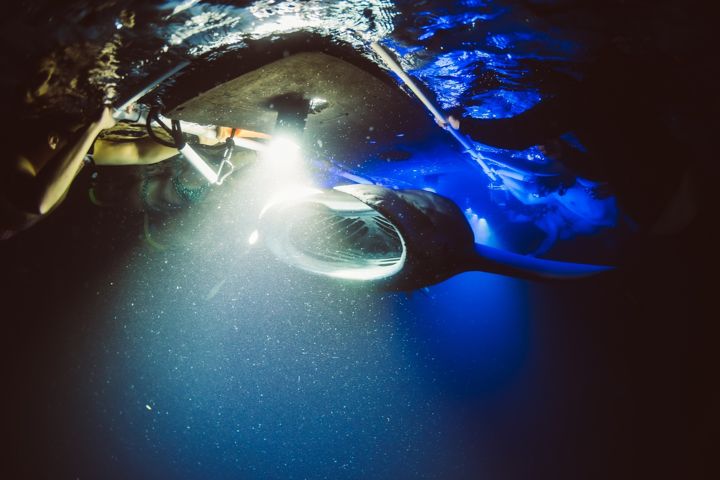
This is the one. After dark, a boat takes you a few minutes out of Keauhou Bay, you float on a lighted board, and reef manta rays come up out of the black to feed on the plankton in the light, sometimes inches below your mask. The mantas feed here year round and sightings are very reliable, though they are wild animals.
The Kona manta ray night snorkel we rank first is run by Hawaii Manta Ray: about a 3-minute ride to the site, no more than 17 guests, $118 for adults and $99 for kids, ages 4 and up. Our manta ray night snorkel guide covers everything else.
2. Hawaiʻi Volcanoes National Park twilight tour
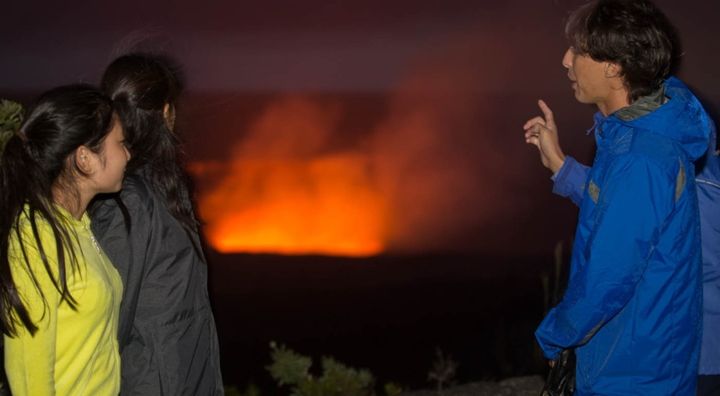
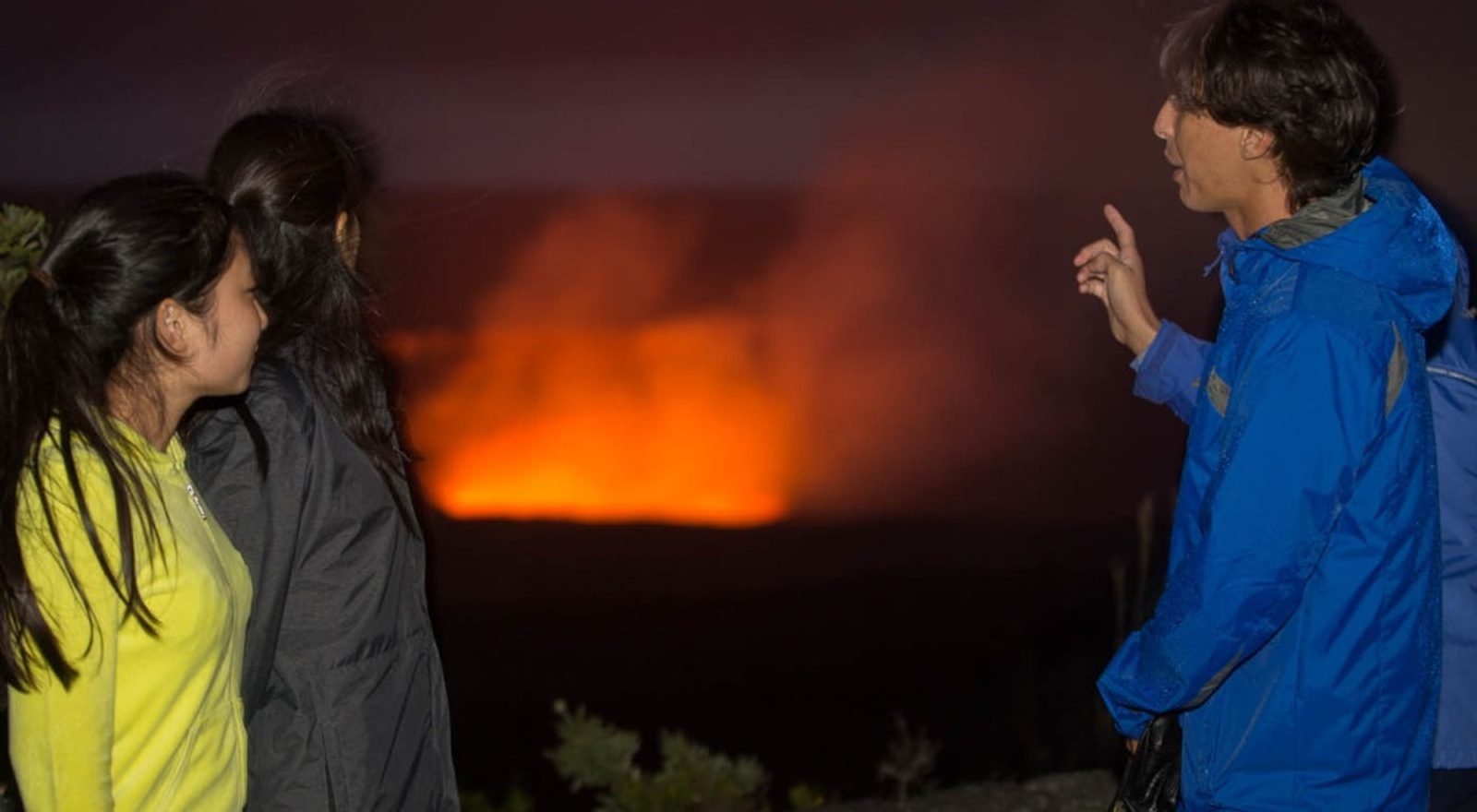
If you are staying in Kona or Waikoloa and do not want to drive five hours round trip, this is how to see Kīlauea. The Volcanoes National Park twilight tour is a 12-hour day with hotel pickup, a Kona coffee farm stop, the black sand at Punaluʻu, time in the park, and stargazing on the way home. From $249, ages 5 to 89.
Eruptions at Kīlauea come and go, so a lava glow is never guaranteed, but the craters, steam vents and lava fields are there every day. There is also an 11-hour Grand Circle Island version from $219.
3. Kealakekua Bay snorkel by Zodiac
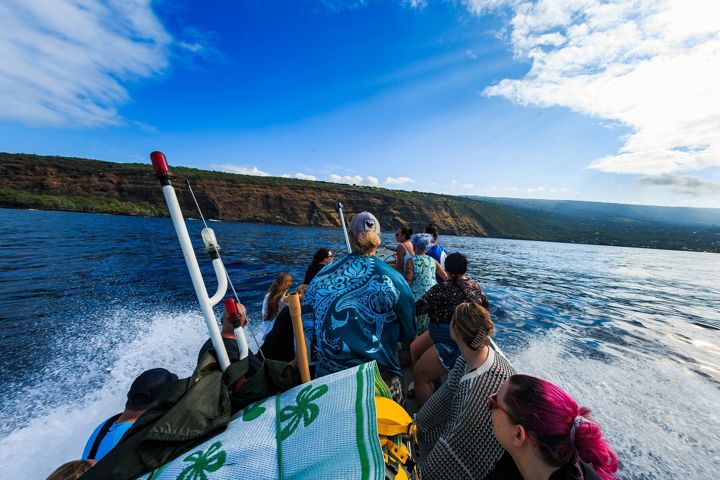
Kealakekua Bay is a marine sanctuary below the Captain Cook Monument, and on a calm morning the visibility runs past 100 feet. The Kealakekua Bay snorkel tour goes by fast inflatable Zodiac from Keauhou Bay, running the coast past sea caves and lava tubes, with spinner dolphins often on the way and whales in season.
It is also run by Hawaii Manta Ray, takes 2.5 to 3 hours, and starts from $95 (pricing is seasonal). Ages 5 and up. Departures at 8:00, 10:45 and 1:30 make it easy to pair with the manta snorkel that night.
4. Maunakea summit at sunset, with stargazing
The summit of Maunakea is 13,803 feet, above most of the weather, and home to the largest collection of research telescopes in the world. The Maunakea summit stargazing tour picks up in Hilo, watches sunset from the top, then drops lower for hot drinks and a star show with a professional telescope when the sky allows. From $269, 7 to 8 hours.
Know the rules: no one under 13, no one pregnant and no one with heart or lung conditions goes above the visitor station on a commercial tour. It is near freezing at sunset, and weather can close the road. Staying in Kona? There is a Kona-side version from $299.
5. Hilo waterfall hike near ʻAkaka Falls
The Hāmākua Coast north of Hilo is where the waterfalls are, and the best of them are on private land. The Hilo waterfall hike is a 2.5-hour guided walk from Honomū, about 20 minutes from Hilo, to falls you cannot reach on your own. From $140, ages 4 and up. You can add a 2.5-hour zipline from $210, and ʻAkaka Falls State Park is a few minutes up the road.
6. Waipiʻo Valley lookout and a private waterfall swim
Waipiʻo is the valley on every Big Island poster. The Waipiʻo Valley waterfall tour is a 10-hour day from Kona and Waikoloa hotels that takes in the Waipiʻo Valley Lookout, a swim in a waterfall on private land, and a tropical garden. From $249, ages 5 to 89.
Be clear on one thing: this tour sees Waipiʻo from the lookout. The steep road into the valley has been closed to independent visitors under a county emergency rule. Our Waipiʻo Valley guide explains the current access.
7. A helicopter over Kīlauea
The Big Island is too large to see in a week by car. From the air you see the shape of it. The Big Island helicopter tour is a private two-hour flight from the Kona airport out to Kīlauea, for your group of 1 to 4 only, from $1,680 per private flight (up to three people). If that is too much time or money, a 30-minute flight over the Kona Coast starts at $229.
8. The Kohala zipline in Hāwī
Up in North Kohala, about 45 minutes past Waikoloa, the Kohala zipline tour runs eight lines, six sky bridges and a rappel through a tall forest on private land. It is billed as the only full canopy tour on Hawaiʻi Island, and it feels more like moving through the trees than flying over a field. About two hours, ages 8 and up, groups of nine, from $210. The full-day Zip & Dip adds a waterfall swim from $325.
9. A Kona coffee brewing workshop in Hōlualoa
Hōlualoa sits about 15 minutes upslope from Kailua-Kona in the coffee belt. The Kona coffee tour is a 75-minute brewing workshop on a working farm: a guided cupping, French press and pour-over you make yourself, and unlimited samples of four coffees. From $65, ages 6 and up, Monday to Saturday at 9:00 and 11:30 am. It is the best short morning on the Kona side.
10. Whale watching off the Kohala Coast
From December to April, humpback whales come to Hawaiian waters to breed and raise calves, with the peak in January through March. The Big Island whale watching tour leaves from Kawaihae, minutes from the Waikoloa and Mauna Lani resorts, on a raft-style boat with a hydrophone so you can hear the whales sing. Two hours, ages 3 and up, from $95.
11. Hilo waterfall cruise along the Onomea cliffs
The east coast north of Hilo is sea cliffs with waterfalls pouring straight into the ocean, and you only really see them from the water. The Hilo waterfall cruise is a relaxed 1.5 to 2 hours along that coast with stories of old Hawaiʻi on the way. From $159, ages 8 and up. On a calm day, the alternative is a two-hour kayak across Hilo Bay to Coconut Island, from $119.
12. A Kona sunset sail
The Kona side faces west, so every evening is a sunset over open ocean. The Kona sunset sail leaves Honokōhau Harbor for 1.5 hours with a full bar and light bites. Adults from $139, kids 4 to 12 at $69.50, under 4 free. There is a Waikoloa version from ʻAnaehoʻomalu Bay if you are staying up the coast.
13. Kona scuba diving
Kona has some of the clearest water in Hawaiʻi and a coastline made of lava, which means arches, tubes and ledges full of endemic fish, turtles and octopus. The Kona scuba diving trip is a two-tank morning dive out of Honokōhau Harbor, about five hours, ages 10 and up, with rates from $99 on the booking page. Certified divers can do a two-tank night manta dive from $199.
14. A ranch ATV ride on the Hilo side
The Hilo ATV tour rides through a working family ranch in Mountain View, about 25 minutes from Hilo and 35 from Volcano. It is a sightseeing ride rather than a race, two hours, ages 3 and up, from $119, with free cancellation. It fits neatly on the drive between Hilo and the park.
15. A Hilo chocolate farm tour
Hawaiʻi grows cacao, and the Hilo chocolate farm tour shows you the whole chain: an electric bus through the orchards, fresh cacao fruit picked in the field, the processing areas, and how a pod becomes a bar. About 1 to 1.5 hours, from $16, with adult rates on the booking page. It is our first pick for a rainy Hilo morning.
16. A Kona cloud forest walk
Upslope from Kailua-Kona, on the slopes of Hualālai, the dry coast turns into a cool, mossy montane forest. The Kona cloud forest tour is a 2.5-hour guided walk on natural trail with about 200 feet of climbing, native birds and plants, and a sanctuary that works on forest restoration. From $60, up to 16 people. Bring a layer.
17. A fat-tire e-bike tour in the volcano park
The Volcano e-bike tour covers far more of Hawaiʻi Volcanoes National Park than you would on foot, on fat-tire e-bikes with guides who know the geology. Three hours, ages 15 and up, minimum of two riders, from $189. There is an 8-hour day that adds the Kalapana lava coast, from $450.
Kona side vs Hilo side
The island splits in two, and almost every plan comes down to which side you sleep on.
The Kona side (Kailua-Kona, Keauhou, Waikoloa and the Kohala Coast) is dry and sunny, with the resorts, the white sand beaches, the calmest snorkeling and most of the boat tours. The manta snorkel, Kealakekua Bay, the sunset sail, scuba, whale watching, coffee, the cloud forest, the Kohala zipline and the helicopter all leave from this side.
The Hilo side (Hilo, Honomū, the Hāmākua Coast, Puna and Volcano) is wet and green. Hilo gets something like 125 inches of rain a year, and that rain is why the waterfalls are there. Volcanoes National Park is about 45 minutes from Hilo, compared with two and a half hours from Kona. The waterfall hike, the waterfall cruise, the chocolate farm, the ATV ride, the e-bike tour and the Hilo-side Maunakea tour start here.
Most first-timers do best with four or five nights in Kona and two or three in Hilo or Volcano. We go through it properly, with a comparison table and drive times, in Kona vs Hilo: which side to stay on.
Free and low-cost things to do
Not everything needs a booking. These are the stops we send people to on their own. A few charge a small entrance or parking fee for visitors; the rest cost nothing.
Punaluʻu Black Sand Beach
On the south route between Kona and the volcano, in Kaʻū, Punaluʻu is a beach of black volcanic sand where green sea turtles haul out to rest. Give the turtles plenty of room and never touch them, leave the sand where it is, and treat the water with respect; it is often rough. It is a natural stop on the way to the park.
ʻAkaka Falls
The short paved loop at ʻAkaka Falls State Park, above Honomū, passes through thick rainforest to a view of a 442-foot waterfall dropping into a gorge. Allow 30 to 45 minutes. Visitors pay a small entry and parking fee. Pair it with the Hilo waterfall hike next door.
Pololū Valley Lookout
Highway 270 ends at the Pololū lookout, past Hāwī and Kapaʻau in North Kohala, with a view down a green valley to a black boulder beach. The trail down is steep, rocky and slippery when wet, and parking is tight, so check the current trail and parking rules before you go. Combine it with the Kohala zipline.
Kaloko-Honokōhau National Historical Park
Just south of the Kona airport, this free national park protects old Hawaiian fishponds, a stretch of coast where honu rest on the rocks, and trails across the lava. It is quiet, hot and easy to miss. Bring water and go early or late.
Puʻuhonua o Hōnaunau
The Place of Refuge in South Kona, where people who broke kapu could find sanctuary. The great stone wall, the temple platform and the carved wooden kiʻi on the point make it one of the most important cultural sites on the island. There is a national park entrance fee. Plan an hour, and do not climb on the walls.
Hāpuna Beach
A long, wide crescent of white sand on the Kohala Coast, with room to spread out and good swimming on calm days. Visitors pay a parking fee. In winter the shorebreak can be heavy; watch the water before you go in, and swim near the lifeguard.
Rainbow Falls
In Hilo itself, on the Wailuku River, Rainbow Falls (Waiānuenue) is a short walk from the parking lot. Come in the morning, when the sun is behind you, for the best chance of the rainbow in the mist. It is free and takes 15 minutes, which makes it the easy first stop on a Hilo day.
Quick picks
| If you want | Book this | From |
|---|---|---|
| One unforgettable night | Manta ray night snorkel | $99 |
| The volcano without the drive | Volcanoes National Park twilight tour | $249 |
| The best snorkeling | Kealakekua Bay by Zodiac | $95 |
| Sunset above the clouds | Maunakea summit tour | $269 |
| Waterfalls you can’t reach alone | Hilo waterfall hike | $140 |
| The Waipiʻo view plus a swim | Waipiʻo lookout and waterfall tour | $249 |
| The whole island in one go | Helicopter over Kīlauea | $1,680 per flight |
| Adrenaline | Kohala zipline | $210 |
| A slow morning | Kona coffee workshop | $65 |
| Winter visitors | Whale watching from Kawaihae | $95 |
| Couples | Kona sunset sail | $139 |
| A rainy day in Hilo | Chocolate farm tour | $16 |
| Families with small kids | Hilo ATV ranch tour | $119 |
| A budget day | Kona cloud forest walk | $60 |
Putting it together
Three days, all in Kona: the manta snorkel, Kealakekua Bay, the volcano twilight tour and a sunset sail. Five days: add the coffee workshop, the Kohala zipline or whale watching, and the free stops at Kaloko-Honokōhau and Puʻuhonua o Hōnaunau. A week: move to the Hilo side for the last two or three nights, with the park, the waterfalls and Maunakea from Hilo.
Our 7-day Big Island itinerary lays out that week day by day, and our guide to the best time to visit the Big Island covers whale season, Maunakea snow and the weeks to avoid.
FAQ
What is the number one thing to do on the Big Island?
The Kona manta ray night snorkel. Mantas feed off Keauhou year round, sightings are very reliable, and nothing else in Hawaiʻi feels quite like it. Book it for one of your first nights so there is room to reschedule if the ocean is rough.
Is it better to stay in Kona or Hilo?
For most visitors, Kona: it is sunnier, has the beaches and most tours, and the main airport. Hilo is better for the volcano, waterfalls and Maunakea. With a week, split your stay between the two.
How many days do you need on the Big Island?
Five days covers the Kona side plus a volcano day. Seven days lets you split between Kona and Hilo without rushing. Fewer than four means choosing between the volcano and the ocean.
Can you see lava on the Big Island?
Sometimes. Kīlauea erupts in episodes, and lava visibility is never guaranteed. Even between eruptions, the craters, steam vents and fresh lava fields in the national park are worth the trip. Check the park’s current conditions before you go.
Can you visit the volcano as a day trip from Kona?
Yes. It is about 2.5 hours each way on the south route. A guided day like the twilight tour, with pickup in Kona and Waikoloa, saves you five hours behind the wheel.
What are the best free things to do on the Big Island?
Kaloko-Honokōhau, Rainbow Falls and Punaluʻu Black Sand Beach are free. ʻAkaka Falls, Hāpuna Beach and Puʻuhonua o Hōnaunau charge small visitor fees. The Pololū and Waipiʻo lookouts cost nothing but time.
When can you see whales on the Big Island?
Humpback whale season runs from December to April, with the peak from January through March. The calm water off the Kohala and Kona coasts is one of the best places in Hawaiʻi to see them.
Can kids go to the top of Maunakea?
Not on a commercial tour. Children under 13, anyone pregnant and anyone with heart or lung conditions cannot go above the visitor station. Families with younger kids can still stargaze from lower elevations.
Written by Big Island locals who spend their days on the water, the volcano and the trails.