- Duration
- 5 hours (7:45 am to 12:45 pm)
- Season
- Year round, morning departures
- Ages
- 10 and up
- Group size
- Shared dive boat; see the booking page for capacity
- Check-in
- Honokōhau Harbor, just north of Kailua-Kona on the way to the airport
- Best time
- Any month; mornings are the calmest. Winter adds humpback song underwater, summer often brings the flattest seas
- Two tanks in one morning along the Kona coast, the calm, clear lee side of the Big Island
- Volcanic dive sites: lava tubes, arches and ledges built by old flows and grown over with reef
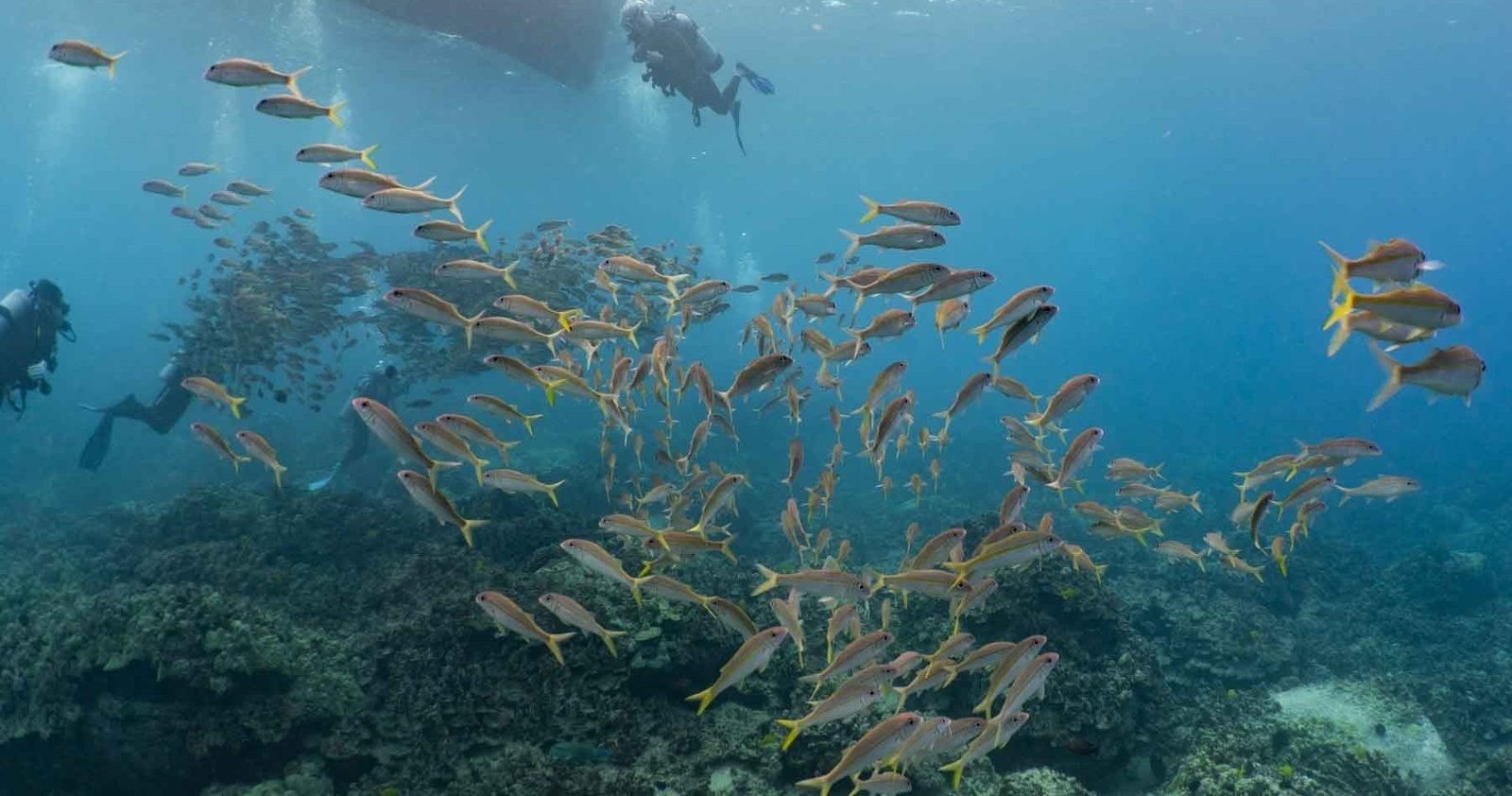
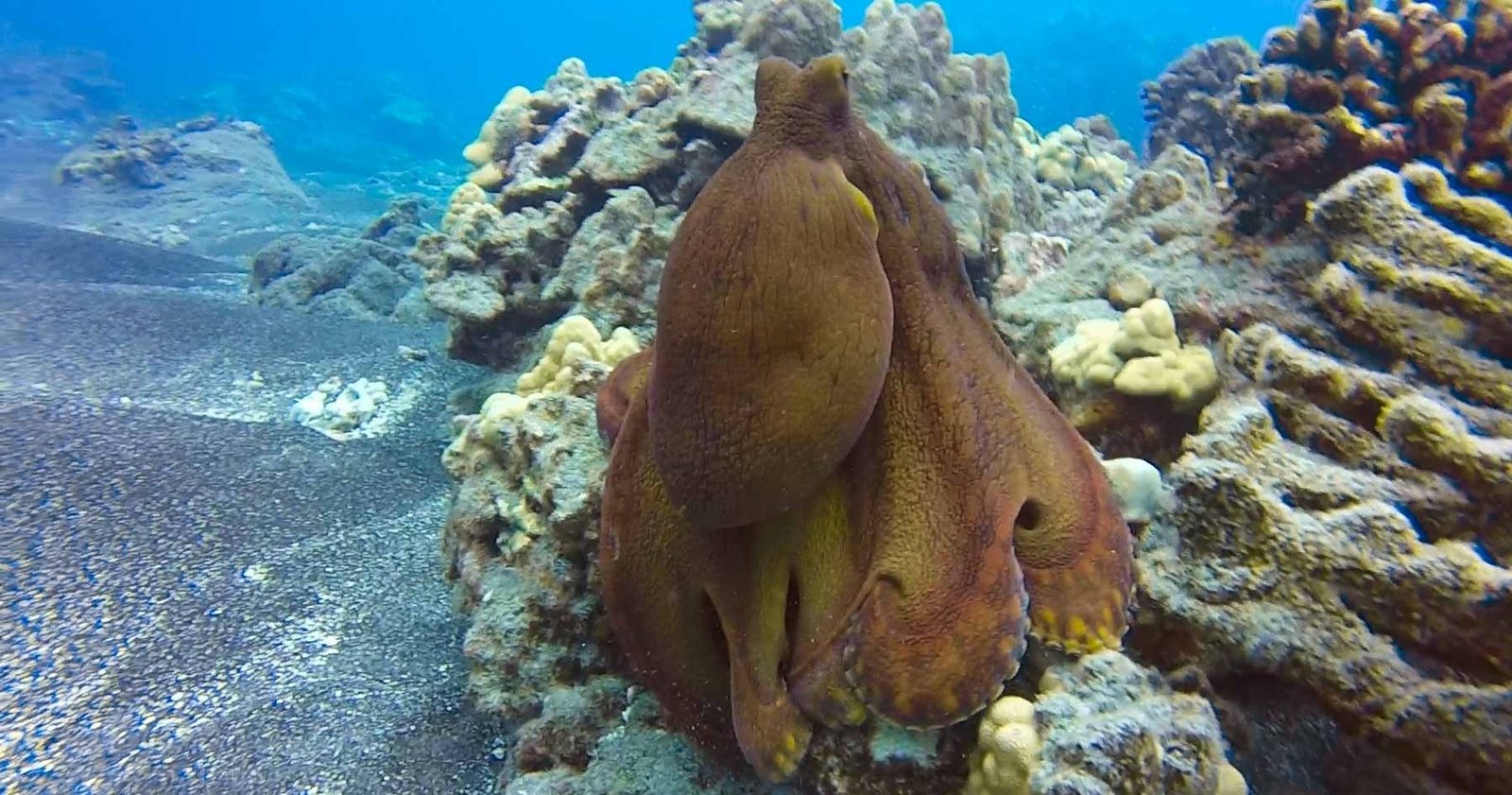
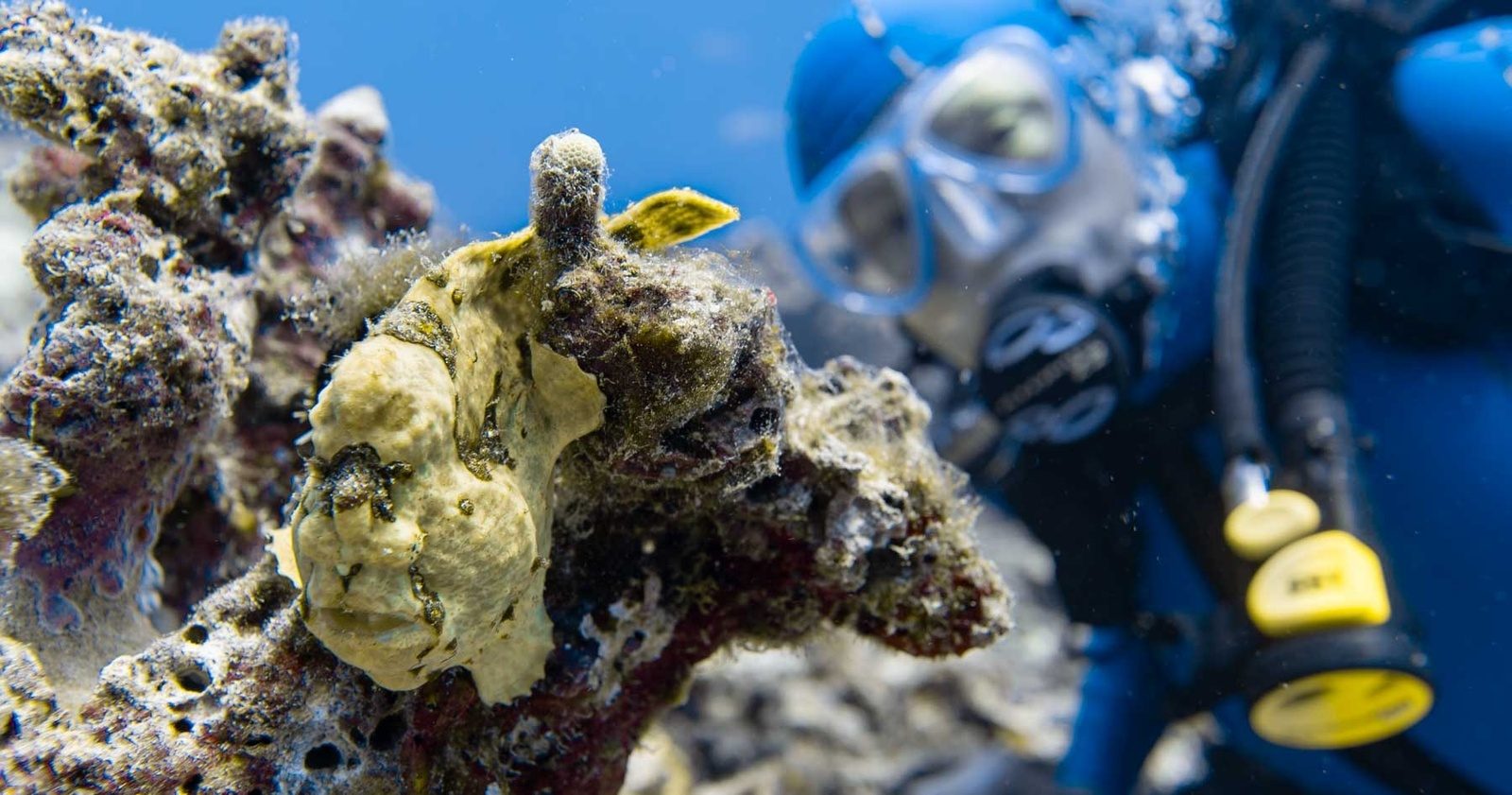
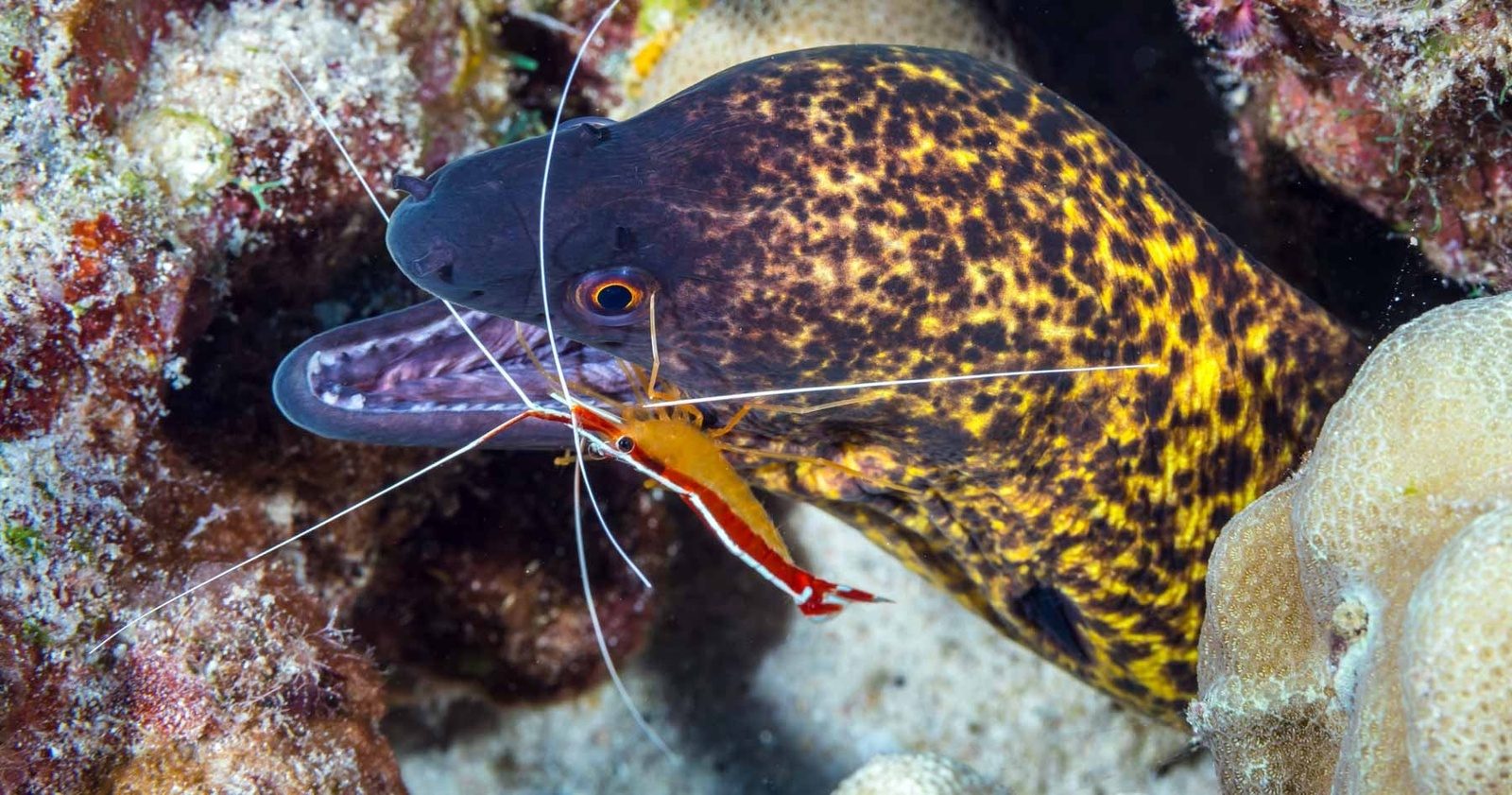
- Endemic reef fish found only in Hawaiʻi, plus green sea turtles, octopus and moray eels
- Valet-style service, so the crew handles the heavy lifting with your gear
- Leaves from Honokōhau Harbor, minutes from Kailua-Kona and the Kona airport
- A perfect 5.0 rating across more than 7,700 reviews
Kona scuba diving is the best on the Big Island for a simple reason. The Kona coast sits in the lee of the island’s big volcanoes, so the ocean is calm most mornings and clear most of the year. Under the surface, the same lava that built the island has left tubes, arches and ledges, and the reef that has grown over them is full of fish you will not see anywhere else.
This page covers the two-tank morning dive we recommend out of Honokōhau Harbor: what it costs, who it suits, and the night manta dive that certified divers should add if they have one more evening.
Why this made our list
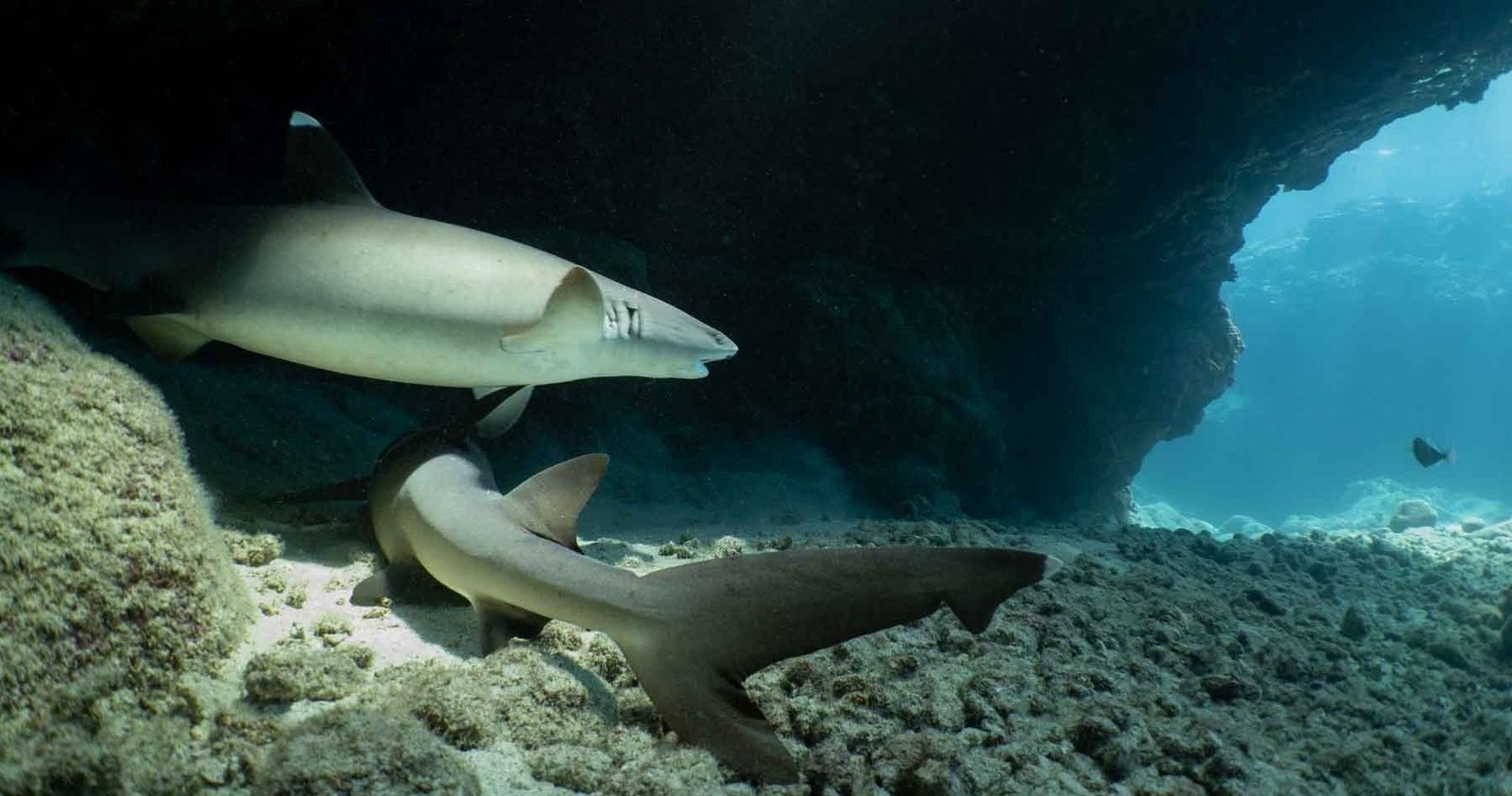
The first reason is the coast itself. Most of the Big Island’s shoreline is young lava, and on the Kona side it drops into the ocean in shelves, caves and archways instead of sand. That gives you swim-throughs and overhangs on a normal recreational dive, with turtles resting under ledges and whitetip reef sharks tucked into caves. A large share of the reef fish in Hawaiʻi live nowhere else on earth, so even common fish here are new to divers who have logged their dives in the Caribbean or Southeast Asia.
The second reason is the water. The trade winds blow across the other side of the island, and Kona sits behind the mountains. Morning visibility is often excellent, and the boat ride to the sites is short because good diving starts right outside the harbor.
The third is the schedule. Two tanks between 7:45 am and 12:45 pm means you are back at the dock by lunch with your afternoon free, and you have not lost a whole day of a short trip.
Why this operator
Kona has dozens of dive operators, from six-passenger charters to large boats. We compared them on how they treat divers on the boat, how well they brief and guide, and what people say afterward. This crew runs a valet-style operation, which means you are not hauling tanks around a moving deck, and it holds a perfect 5.0 rating across more than 7,700 reviews. Keeping a perfect score at that volume is rare in any industry, and it is the main reason we send friends here.
What the Kona scuba diving trip is like
The morning runs about five hours dock to dock. Here is how it goes.
- Check in at Honokōhau Harbor. Departure is set for 7:45 am, so arrive early enough to park, sign in and hand over your gear. Bring your certification card.
- Gear and briefing. The crew sets up your equipment and runs through the boat, the safety rules and the plan for the day.
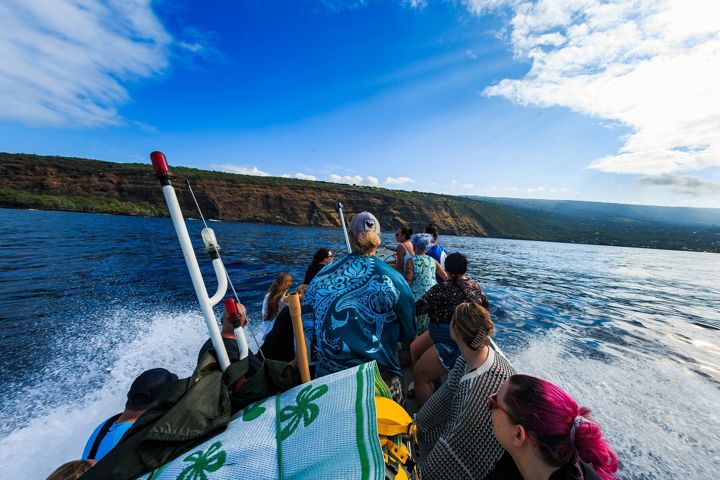
- Run to the first site. The captain picks sites based on that morning’s swell and current, so you get the best water available on the day.
- First tank. Usually the deeper dive, along lava formations, arches and ledges. The guide points out turtles, eels, octopus and the endemic fish.
- Surface interval. Time on the boat to warm up, rehydrate and log the dive. Keep an eye out for spinner dolphins, and from December through April for humpback whales.
- Second tank. Usually shallower, over reef where turtles feed and octopus hide in plain sight.
- Back to the harbor. You are at the dock around 12:45 pm.
Prices and what you get
Rates on this dive start at $99, before tax and booking fees. The certified diver rate and gear rental prices are listed on the booking page, so check there for your exact total. Gratuity for the crew is extra.
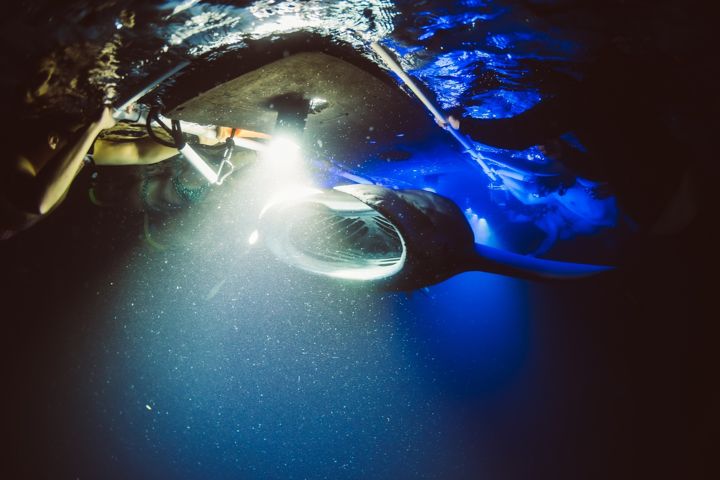
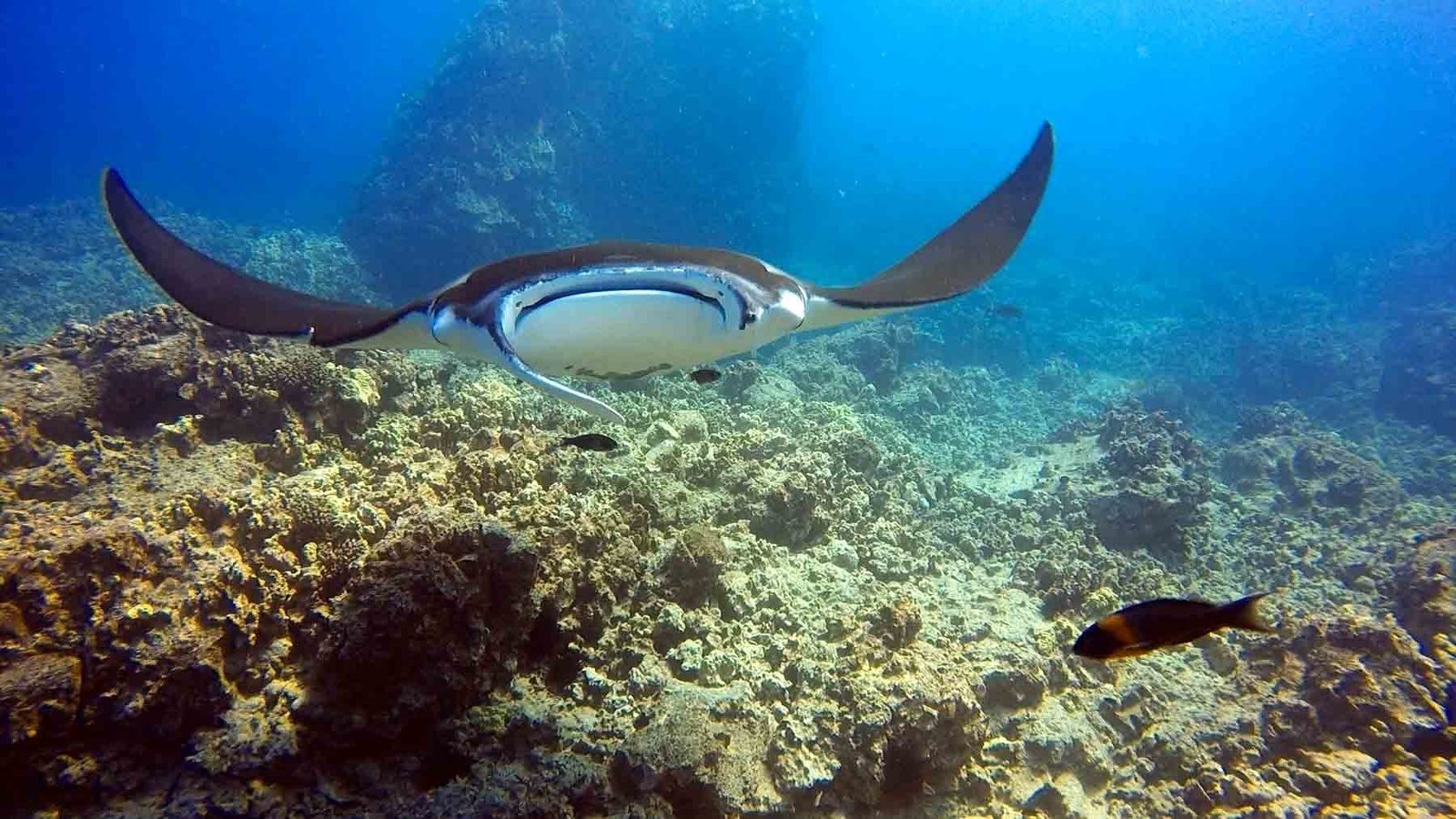
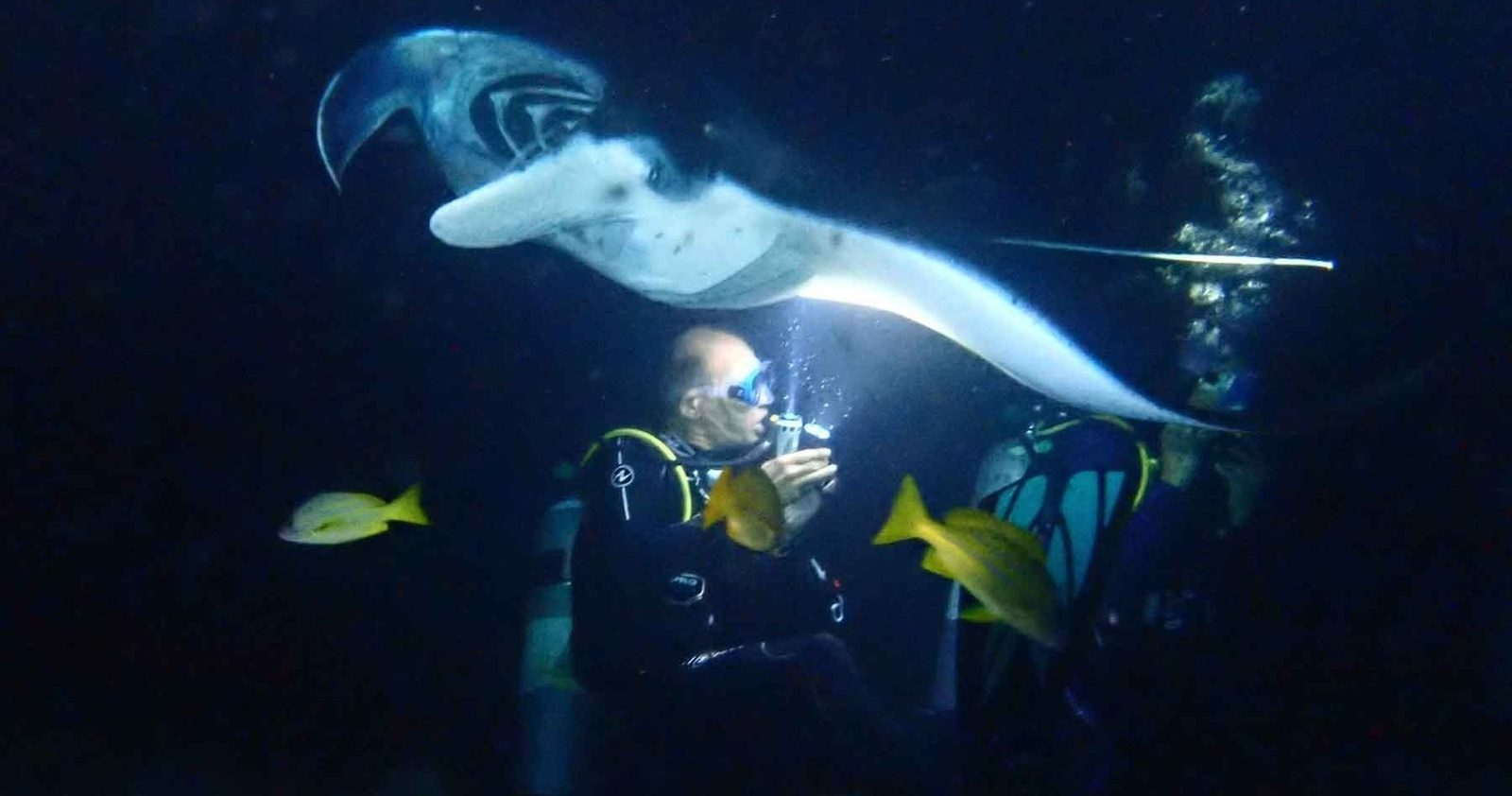
If you are certified and have a spare evening, the other trip to look at is the two-tank night manta dive, from $199. You descend at dusk, settle on the bottom, and watch manta rays feed in the dive lights overhead. It is a different animal from the morning dive and many divers rate it the best night dive they have done. Book it for a different day if you want both.
Who it’s for (and who should skip it)
Certified divers of any experience level from age 10 up. Kona’s calm mornings make it a good place for divers who have not been in the water for a while, and the lava topography keeps experienced divers interested.
If you are not certified, check the booking page for what is available before you plan around it. Non-divers in your group who want to see mantas should look at the manta ray night snorkel instead, which takes children from age 4. For a daytime snorkel, the Kealakekua Bay snorkel tour is the best in Kona.
Skip it if you are flying home, going up Maunakea, or driving to Hilo over Saddle Road within 24 hours. Skip it if you have an ear or sinus infection. And if you get seasick, take the pill; a dive boat sitting still between dives is harder on the stomach than one under way.
Where to check in and how to get there
Honokōhau Harbor is just off the Queen Kaʻahumanu Highway a few minutes north of Kailua-Kona, between town and the Kona airport. From Keauhou allow about 20 to 25 minutes in morning traffic. From the Waikoloa resorts it is about 30 minutes south. From Hilo it is a two-hour-plus drive, so if you are staying on the Hilo side, plan a night in Kona first.
Arrive with time to spare. The meeting spot and any last details are on your booking confirmation. If you are unsure which side of the island to base yourself on, our Kona vs Hilo guide lays it out.
Best time to go
Time of day. Mornings. The wind and chop on the Kona coast usually build after midday, and the morning dive gets the flattest water and the best visibility.
Time of year. Any month. Summer often brings the calmest seas. From December through April humpback whales are in Hawaiian waters, peaking January through March, and on winter dives you can often hear them singing through the water. Winter swells sometimes push the captain to more sheltered sites, which is why site choice is left to the day.
Local tips before you book
- Dive early in your trip. You need 24 hours before you fly, go to the Maunakea summit, or cross Saddle Road. Put the dive in the first half of your stay and the mountain in the second.
- Bring your card and log. Have proof of certification with you, not back at the hotel.
- Use reef-safe sunscreen. Hawaiʻi bans the sale of sunscreens with oxybenzone and octinoxate, and the reef you are diving on is the reason.
- Pack a layer. Even in Kona, sitting wet on a moving boat between dives gets cool.
- Add the mantas. If you are certified, the night manta dive is the reason many divers come to Kona. Our manta ray night snorkel guide explains how the manta sites work.
- Eat a light breakfast. A full stomach and a rolling boat are a bad pair.
The verdict
If you dive, dive Kona. The water is calm and clear, the lava makes the sites interesting, and the fish are found nowhere else. This two-tank morning trip from Honokōhau gets you two good dives and has you back by lunch, with a crew rated a perfect 5.0. Certified divers should add the night manta dive on another evening, and everyone should leave 24 hours before flying or heading up the mountain.
Photos
Know before you go
What's included
- Two guided dives along the Kona coast with a professional crew
- Tanks for both dives
- Site briefings before each dive
- Valet-style gear handling by the crew
Not included
- Tax and booking fees
- Rental gear if you do not bring your own (rates on the booking page)
- Gratuity for the crew
- Guaranteed sightings of any particular animal
What to bring
- Your certification card and logbook
- Reef-safe sunscreen and a rash guard or light layer for the boat
- Swimsuit, towel and a dry change of clothes
- Motion-sickness medicine taken an hour before if you are prone to it
- Your own mask or computer if you prefer them
Restrictions
- Ages 10 and up
- Built for certified divers; check the booking page for the options open to you if you are not certified
- Do not fly, drive over Saddle Road or go up Maunakea within 24 hours of diving
- Cancel at least 72 hours before departure
Frequently asked questions
How much does Kona scuba diving cost?
Rates on this two-tank morning dive start at $99, before tax and booking fees. The certified diver rate and gear rental prices are on the booking page. The two-tank night manta dive for certified divers is from $199.
Is Kona good for scuba diving?
Kona is one of the best places to dive in Hawaiʻi. The coast sits in the lee of the island's big volcanoes, so mornings are usually calm and the water is clear, and the lava has left tubes, arches and ledges full of reef life.
Do I need to be certified to dive in Kona?
The two-tank morning dive is built for certified divers, so bring your card. If you are not certified, check the booking page for what is available on your dates before you plan around it.
What will I see scuba diving in Kona?
Green sea turtles, octopus, moray eels and reef fish that live only in Hawaiʻi, swimming through lava tubes and arches. Manta rays, dolphins and reef sharks turn up on some dives, and in winter you can often hear humpback whales singing underwater.
What is the best time of year to scuba dive in Kona?
Kona diving is good all year. Summer often has the flattest seas, and from December through April humpback whales are off the coast. Morning dives are calmer than afternoon ones in any month.
Can kids go scuba diving in Kona?
Yes, from age 10 on this trip. Younger kids can see mantas at night on a snorkel instead, which takes children from age 4.
How far is Honokōhau Harbor from Kona?
Honokōhau Harbor is a few minutes north of Kailua-Kona, between town and the Kona airport. From Keauhou allow about 20 to 25 minutes, and from the Waikoloa resorts about 30.
Can I go up Maunakea or fly after diving?
Not the same day. Wait at least 24 hours after diving before you fly, go up Maunakea or drive Saddle Road, which climbs past 6,000 feet. Plan your dive early in the trip and your summit tour later.
Is the night manta dive worth it?
If you are certified, yes. Watching mantas loop over the lights from the seafloor is one of the great night dives in the world. Book it from $199 on a separate evening from your morning dive.
What is the cancellation policy?
Cancel at least 72 hours before departure. Check the booking page for the full terms.
Ready to go?
Book this adventure
Prices from $99 plus tax and fees. Popular dates sell out a week or more ahead in peak season.
Last updated October 27, 2026 · Written by Big Island locals who spend their days on the water, the volcano and the trails.