The most common question we get from people planning a Big Island trip is not which tour to book. It is where to sleep. The island is so big, and the two sides so different, that the answer shapes everything else: how much you drive, what the weather does to your plans, and which tours are an easy morning versus a long day.
Here is the honest comparison, from people who work on both sides.
The short answer
- Stay in Kona if you want sun, beaches, snorkeling and the boat tours, and you only have four or five days.
- Stay in Hilo or Volcano if the national park, waterfalls and Maunakea are the reason you came, and you don’t mind rain.
- Split your stay if you have a week. Four nights in Kona and three on the Hilo side is the plan we give most friends.
Kona vs Hilo at a glance
| Kona side | Hilo side | |
|---|---|---|
| Weather | Dry and sunny most days | Wet and green; Hilo gets around 125+ inches of rain a year |
| Airport | Kona (KOA), where most visitors fly in | Hilo (ITO), mainly inter-island flights |
| Beaches | White sand on the Kohala Coast, calm snorkeling coves | Few swimming beaches; black sand and rocky shoreline |
| Where people stay | Resorts, condos and vacation rentals in Kailua-Kona, Keauhou and Waikoloa | Smaller hotels and B&Bs in Hilo; cabins and inns in Volcano village |
| Volcanoes National Park | About 2.5 hours on the south route | About 45 minutes from Hilo |
| Maunakea | Kona-side summit tours available | Shorter drive; Hilo-side summit tours |
| Waterfalls | A drive away | Minutes away on the Hāmākua Coast |
| Evenings | Sunsets over the ocean, more restaurants and bars | Quiet, early nights, sunrise side |
| Best for | Ocean tours, first-timers, families who want a pool and a beach | The volcano, rainforest, waterfalls, travelers who like a real town |
Drive times that matter
These are typical times, not promises; traffic in Kailua-Kona and weather on the Hāmākua Coast can stretch them.
| Route | Typical drive |
|---|---|
| Kona to Hilo, over Saddle Road (Daniel K. Inouye Hwy) | About 2 hours |
| Kona to Hawaiʻi Volcanoes National Park, south route | About 2.5 hours |
| Hilo to Hawaiʻi Volcanoes National Park | About 45 minutes |
| Kona to Waikoloa | About 30 minutes |
| Waikoloa to Hāwī | About 45 minutes |
| Kona to the Waipiʻo Valley lookout | About 1 hour 45 minutes |
| Hilo to the Waipiʻo Valley lookout | About 1 hour |
| Hilo to Honomū (ʻAkaka Falls) | About 20 minutes |
| Kona airport (KOA) to Keauhou | About 25 minutes |
The lesson in that table: from Kona, the volcano is a five-hour round trip before you have seen anything. From Hilo, it is a half day. Our Big Island areas map shows the same distances on a map.
Weather on each side
The trade winds blow from the northeast and drop their rain on the Hilo side, so the Kona side sits in a rain shadow. That is the whole story of the island’s weather in one sentence.
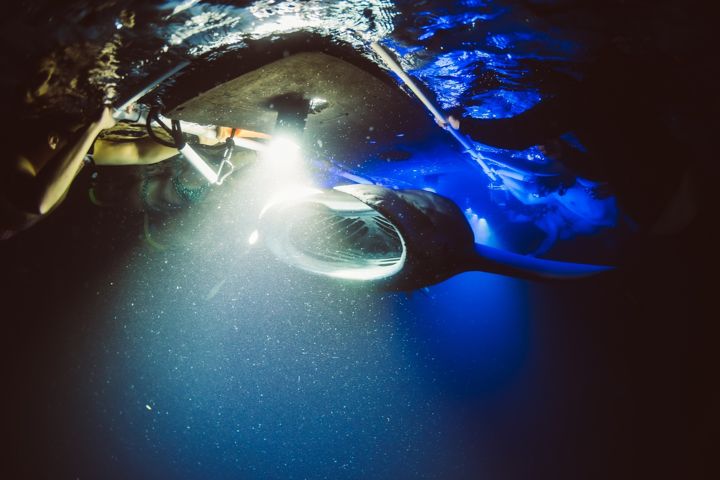
Kona gets steady sun, calm mornings and the occasional afternoon cloud build-up on the slopes above town. The ocean on this coast is sheltered from the trades, which is why the boat tours and the manta snorkel run so reliably here.
Hilo gets rain on most days, often in the night and early morning, with plenty of clear spells in between. It is warm rain, and it is the reason for the waterfalls, the gardens and the green. Pack a light rain jacket and plan indoor or covered backups.
Volcano village, at nearly 4,000 feet near the park, is cool and misty, and it can feel cold at night. Maunakea’s summit is near freezing at sunset all year, and snow is possible in winter. For the month-by-month detail, see our guide to the best time to visit the Big Island.
Which tours suit each side
Best from a Kona base
- The Kona manta ray night snorkel, from Keauhou Bay
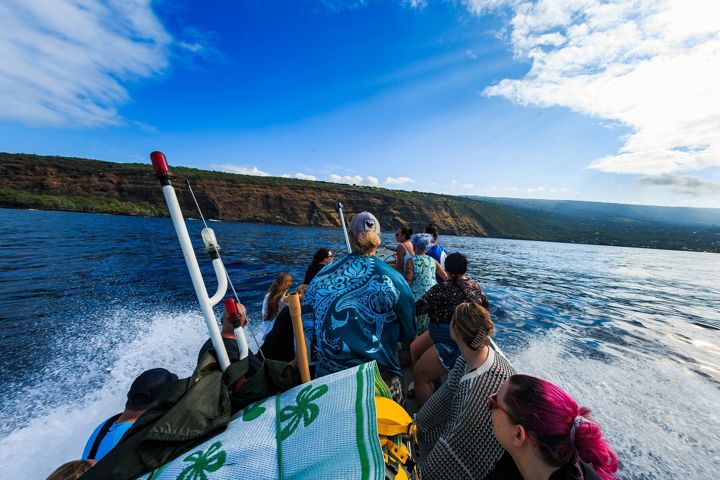
- The Kealakekua Bay snorkel by Zodiac, also from Keauhou
- The Kona sunset sail and Kona scuba diving from Honokōhau Harbor
- The Kona coffee workshop in Hōlualoa and the Kona cloud forest walk
- The helicopter tour from the Kona airport
- Whale watching from Kawaihae and the Kohala zipline in Hāwī, both easiest from Waikoloa
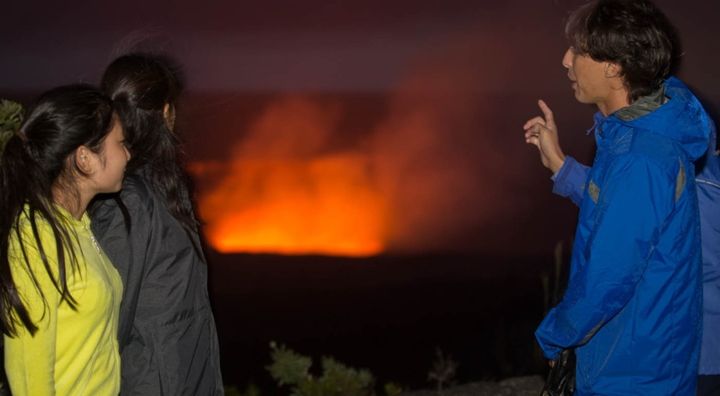
- The Volcanoes National Park twilight tour and the Waipiʻo lookout and waterfall tour, which pick up at Kona and Waikoloa hotels so you can see the far side without driving it
Best from a Hilo or Volcano base
- The Hilo waterfall hike in Honomū, 20 minutes away
- The Hilo waterfall cruise along the Onomea cliffs
- The Hilo chocolate farm tour, the best rainy-day plan
- The Hilo ATV ranch tour in Mountain View, between Hilo and Volcano
- The Volcano e-bike tour inside the national park
- The Maunakea summit stargazing tour, which picks up in Hilo
Kona side neighborhoods
Kailua-Kona is the town: Aliʻi Drive along the water, restaurants, shops and the most rental choices at most price levels. You are close to Honokōhau Harbor and the airport.
Keauhou, a few miles south, is quieter and is where the manta snorkel and the Kealakekua Zodiac leave from. If those two are your priorities, sleeping here puts both a short drive away.
Waikoloa and the Kohala Coast, about 30 minutes north of Kona, are the big resorts and the best white sand beaches, including Hāpuna. It is the sunniest, driest stretch of the island, and the closest base for whale watching, the zipline and North Kohala.
Hilo side neighborhoods
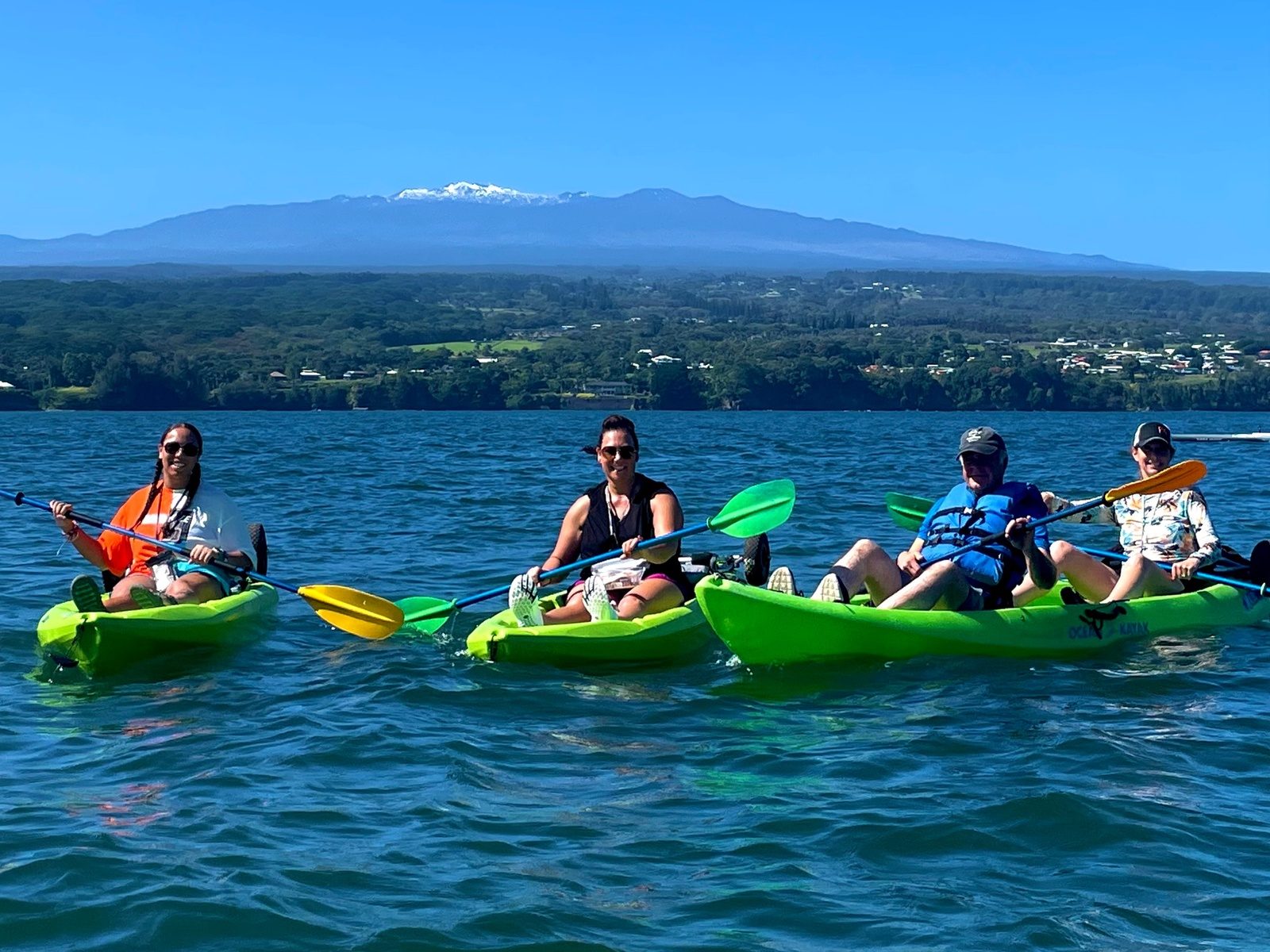
Hilo is a real working town on a big bay, with old storefronts, a farmers market, Rainbow Falls a few minutes from downtown, and the best value rooms on the island. It is the base for the Hāmākua waterfalls and Maunakea.
Volcano village sits in the rainforest just outside the national park. There are no big hotels, just cabins, inns and rentals. Stay a night here if you want to see the park at dawn or after dark without a long drive.
Our recommendation: split the stay
If you have six nights or more, split it. Spend the first four nights on the Kona side, doing the ocean while you are still waking up early on mainland time: the manta snorkel, Kealakekua Bay, the coffee farm and a sunset sail. Then drive the south route to the volcano, stopping at Puʻuhonua o Hōnaunau and Punaluʻu Black Sand Beach, and spend two or three nights in Volcano or Hilo for the park, the waterfalls and Maunakea.
You can fly out of Hilo, or drive back over Saddle Road in about two hours on your last morning. Some rental companies charge to drop a car at a different airport, so check before you book.
If you only have four or five nights, stay in Kona and let the volcano twilight tour do the long drive for you. Our 7-day Big Island itinerary shows the split stay day by day, and our things to do on the Big Island guide has the full ranked list.
FAQ
Is Kona or Hilo better for first-time visitors?
Kona, for most people. It has the sun, the beaches, the main airport and most of the tours. Add two or three nights in Hilo or Volcano if you have a week.
How far is Kona from Hilo?
About two hours by car over Saddle Road (Daniel K. Inouye Highway), which crosses the island between Maunakea and Mauna Loa.
Does it rain all the time in Hilo?
Not all the time, but often. Hilo gets around 125 inches or more of rain a year, much of it at night and in the early morning. Most days still have dry spells.
Can I visit Volcanoes National Park from Kona?
Yes. The park is about 2.5 hours from Kona on the south route. Many visitors take a guided day tour with hotel pickup instead of driving five hours round trip.
Where should I stay to see the manta rays?
Anywhere on the Kona side works. Keauhou is closest, since the manta snorkel leaves from Keauhou Bay, and Kailua-Kona is a short drive away.
Is it worth staying in Volcano village?
Yes, for one or two nights if the park is a priority. You can see the craters early or late without a long drive. Bring warm layers; it is cool and damp at nearly 4,000 feet.
Should I fly into Kona or Hilo?
Most visitors fly into Kona, which has more direct flights. If you are doing a split stay, flying into Kona and out of Hilo (or the reverse) saves a cross-island drive.
Written by Big Island locals who spend their days on the water, the volcano and the trails.