There is no bad month on the Big Island, but there are better months for different things. The manta rays feed off Kona every night of the year. The humpbacks are only here in winter. Hilo is wet in every season, Kona is dry in almost every season, and the top of Maunakea can have snow while you are swimming at the beach the same afternoon.
We work on the water off Kona and on the trails on both sides of the island. Here is how the year actually goes.
The short version
- Best overall: April, May, September and October. Good weather, calm water, fewer people and lower prices.
- Best for whales: January through March, inside a season that runs December to April.
- Best for manta rays: any month. They feed year round at night off Keauhou and the Kona airport.
- Best for Maunakea stargazing: any month, but winter brings the clearest, coldest nights and a chance of snow on the summit.
- Most expensive and crowded: mid-December to early January, spring break, and June through August.
- Book a year ahead for: Hilo during Merrie Monarch week, which starts on Easter Sunday.
The weather on each side
The trade winds come from the northeast and drop their rain on the Hilo side, leaving the Kona side in a rain shadow. That holds all year.
| Kona side | Hilo side | Volcano and Maunakea | |
|---|---|---|---|
| Winter (Dec to Mar) | Mostly sunny and warm, the occasional storm | Wet and green, often the rainiest stretch | Cool to cold; snow possible on Maunakea’s summit |
| Spring (Apr to May) | Sunny, dry, calm mornings | Showers, lush, waterfalls full | Cool, clear nights |
| Summer (Jun to Aug) | Hot and sunny on the coast, afternoon clouds upslope | Warm, showers, a little drier | Mild days, cold summit nights |
| Fall (Sep to Nov) | Warm, calm, the warmest water | Showers return | Cool; summit near freezing at sunset |
The ocean off Kona runs from the mid-70s °F in late winter to around 80°F in late summer and fall. Hilo gets something like 125 inches of rain a year, and the coast north of it, the Hāmākua, is just as green. Volcano village, at nearly 4,000 feet, is cool and damp in every month. For more on choosing a base, see Kona vs Hilo.
Whale season: December to April
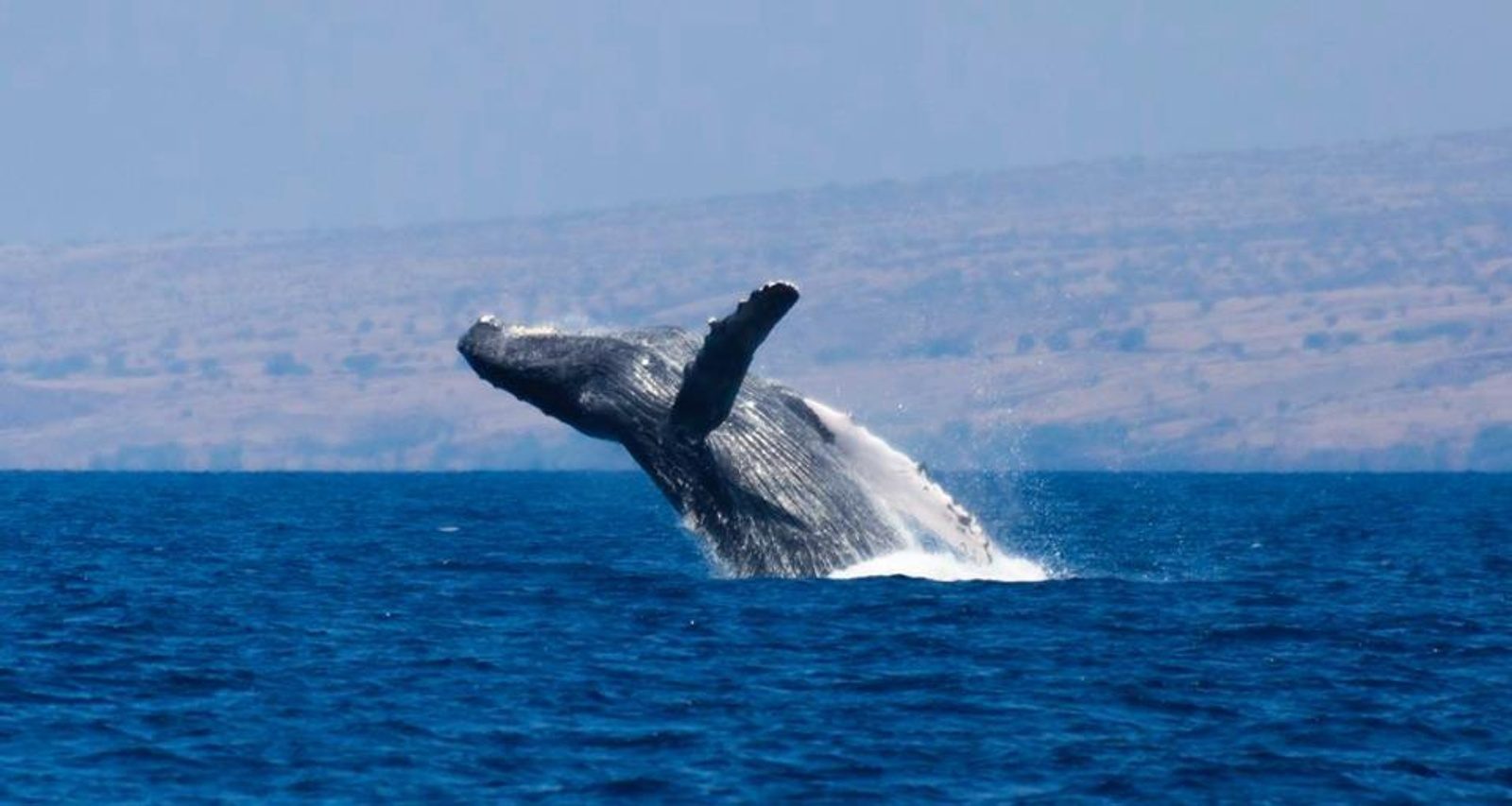
Humpback whales come to Hawaiian waters each winter to breed, give birth and raise their calves. On the Big Island the season runs from December to April, with the most whales from January through March. The calm, sheltered water off the Kohala and Kona coasts is prime nursery ground.
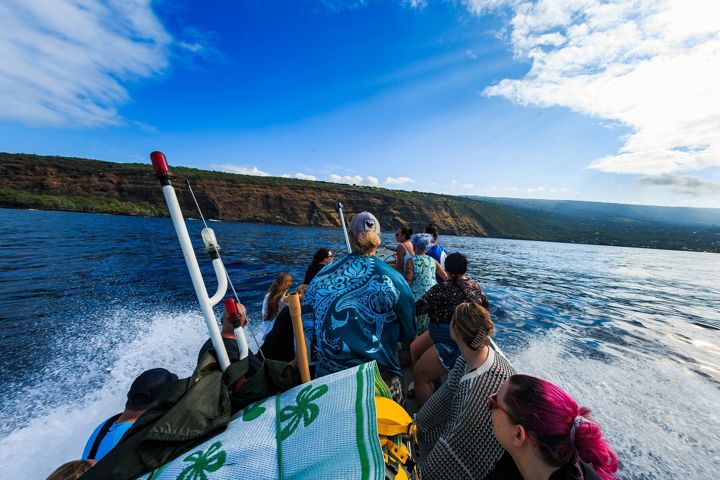
You will see them from shore, from the lanai and from almost any boat in those months, but a dedicated trip is different. The Big Island whale watching tour leaves Kawaihae for two hours on a raft-style boat with a hydrophone, so you hear the whales sing as well as see them. From $95, ages 3 and up. Whales are also a regular bonus on the Kealakekua Bay Zodiac snorkel in season.
Manta rays: every month
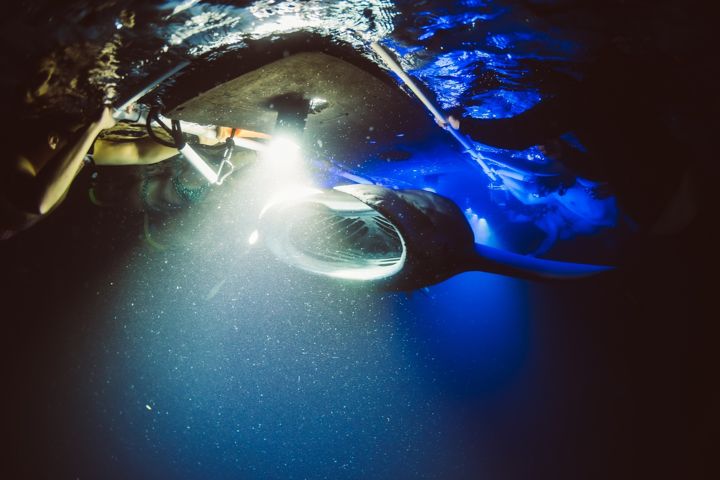
The manta ray night snorkel off Keauhou does not have a season. The mantas feed on plankton at night year round, and sightings are very reliable, though they are wild animals and never guaranteed. The variable is the ocean, not the month: a big swell can cancel a night in any season, which is why we tell people to book the Kona manta ray night snorkel early in the trip. Later departures tend to see more mantas and quieter water. Our manta ray night snorkel guide goes deeper on timing.
Maunakea in winter
Maunakea’s summit is 13,803 feet, and it is near freezing at sunset in every month. In winter, storms can bring snow to the summit, and the road to the top can close for weather or ice, sometimes for days. In exchange, winter nights are often the clearest and most dramatic for stars.
If you book the Maunakea summit stargazing tour in winter, keep a spare evening in your plans in case the summit closes. Remember the rules: no one under 13, no one pregnant and no one with heart or lung conditions goes above the visitor station on a commercial tour.
Merrie Monarch week in Hilo
The Merrie Monarch Festival is the most celebrated hula competition in Hawaiʻi, held in Hilo for a week starting on Easter Sunday. In 2027, Easter falls on March 28. The competition nights are famously hard to get tickets for, and Hilo’s rooms book up many months ahead, often a year.
If you are coming for it, book your room as soon as you know your dates. If you are not, either avoid basing yourself in Hilo that week or book very early, and expect more traffic and fuller restaurants on the Hilo side. The free daytime events around town make it a special time to be there if you can find a bed.
Crowds and prices
- Peak: mid-December to early January is the most expensive and crowded stretch of the year. Tours sell out and rooms are at their highest.
- Busy: Presidents’ Day week, spring break in March, Thanksgiving week, and June through August.
- Shoulder: mid-April to May and September to early November, outside the holiday weeks. This is when you get the best mix of weather, calm water, open tours and lower prices.
- Events to check: Merrie Monarch week in Hilo, and the world championship triathlon that fills Kailua-Kona in most Octobers.
Hurricane season runs from June to November. Direct hits on the Big Island are rare, but buy travel insurance if you are booking for late summer.
Month by month
January and February
Peak whale season and the coolest months. Kona is mostly sunny in the high 70s and low 80s °F, with the odd winter storm. Hilo is at its wettest and greenest. Maunakea may have snow on top. This is the best time of year for whale watching, and the manta snorkel runs as usual. Presidents’ Day week is busy.
March
Whales are still here in good numbers. Spring break brings families and fuller boats, so book the popular tours before you fly. Easter can fall in late March, which brings Merrie Monarch to Hilo.
April and May
Our favorite months. The whales thin out through April, the crowds drop after spring break, prices ease, and the island is green after winter rain. The waterfalls on the Hāmākua Coast are full, which makes this a great time for the Hilo waterfall hike and the Hilo waterfall cruise.
June, July and August
Summer: hot and sunny on the Kona coast, families everywhere, and the highest prices outside the holidays. Calm mornings make for great snorkeling at Kealakekua Bay. Upslope, Kona often clouds over in the afternoon, which keeps the cloud forest walk and the coffee farm cool. The sunset sail checks in later in summer, at 5:10 pm instead of 4:40 pm.
September and October
The locals’ summer. The ocean is at its warmest, the kids are back in school, and prices fall. It is a great time for scuba diving and the manta snorkel. If you want to stay in Kailua-Kona in October, check the triathlon date first.
November
A quiet shoulder month. Rain picks up on the Hilo side, and the first whales can arrive late in the month. Thanksgiving week is busy; the weeks around it are some of the best value of the year.
December
Whale season starts properly, the weather is pleasant, and the first half of the month is good value. From about December 20 to New Year, everything is full and expensive. If you are coming for the holidays, book the manta snorkel, the helicopter, Maunakea and the volcano tour when you book your flights.
Which tours to book when
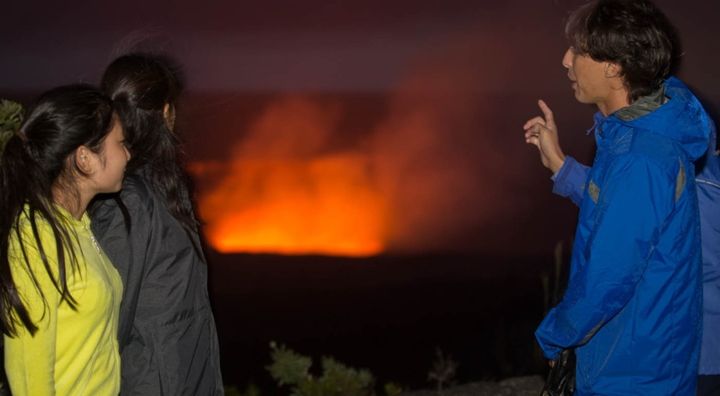
- Any month: the manta ray night snorkel, Kealakekua Bay by Zodiac, the volcano twilight tour, the helicopter, the Kohala zipline, the Waipiʻo lookout tour, and the Hilo side tours.
- December to April: whale watching from Kawaihae, with the peak January to March.
- Any month, but plan a backup night: the Maunakea summit tour, especially in winter.
- Rainy days on the Hilo side: the chocolate farm tour.
For the full ranked list, start with our guide to things to do on the Big Island, and for a ready-made week, the 7-day Big Island itinerary.
FAQ
What is the best month to visit the Big Island?
April, May, September and October offer the best mix of weather, calm water, lower prices and fewer crowds. Come January through March if whales are your priority.
When is whale season on the Big Island?
December to April, with the peak from January through March. The Kohala and Kona coasts are some of the best places in Hawaiʻi to see humpbacks.
Can you see manta rays year round in Kona?
Yes. Manta rays feed off Keauhou and the Kona airport at night all year. Sightings are very reliable but not guaranteed, and rough seas can cancel a trip in any month.
Does it snow on the Big Island?
Yes, on the summit of Maunakea, and sometimes Mauna Loa, in winter. Snow can close the Maunakea summit road. The beaches stay warm.
What is the rainiest time of year in Hilo?
Hilo is wet all year, with around 125 inches or more annually, and winter is often the wettest stretch. Kona stays mostly dry in every season.
When is Merrie Monarch?
The Merrie Monarch Festival runs for a week in Hilo starting on Easter Sunday. Hilo hotels book up many months ahead, so plan early if you are visiting that week.
When is the cheapest time to visit the Big Island?
Mid-April to May and September to early November, outside holiday weeks. Avoid mid-December to early January, which is the most expensive time of the year.
Written by Big Island locals who spend their days on the water, the volcano and the trails.