- Duration
- 7 to 8 hours
- Season
- Year round, weather permitting
- Ages
- 13 and up (summit rules)
- Group size
- Small group; check the booking page (the Kona-side tour caps at 12)
- Check-in
- Pickup in Hilo
- Best time
- A clear night near the new moon; winter storms can close the summit road
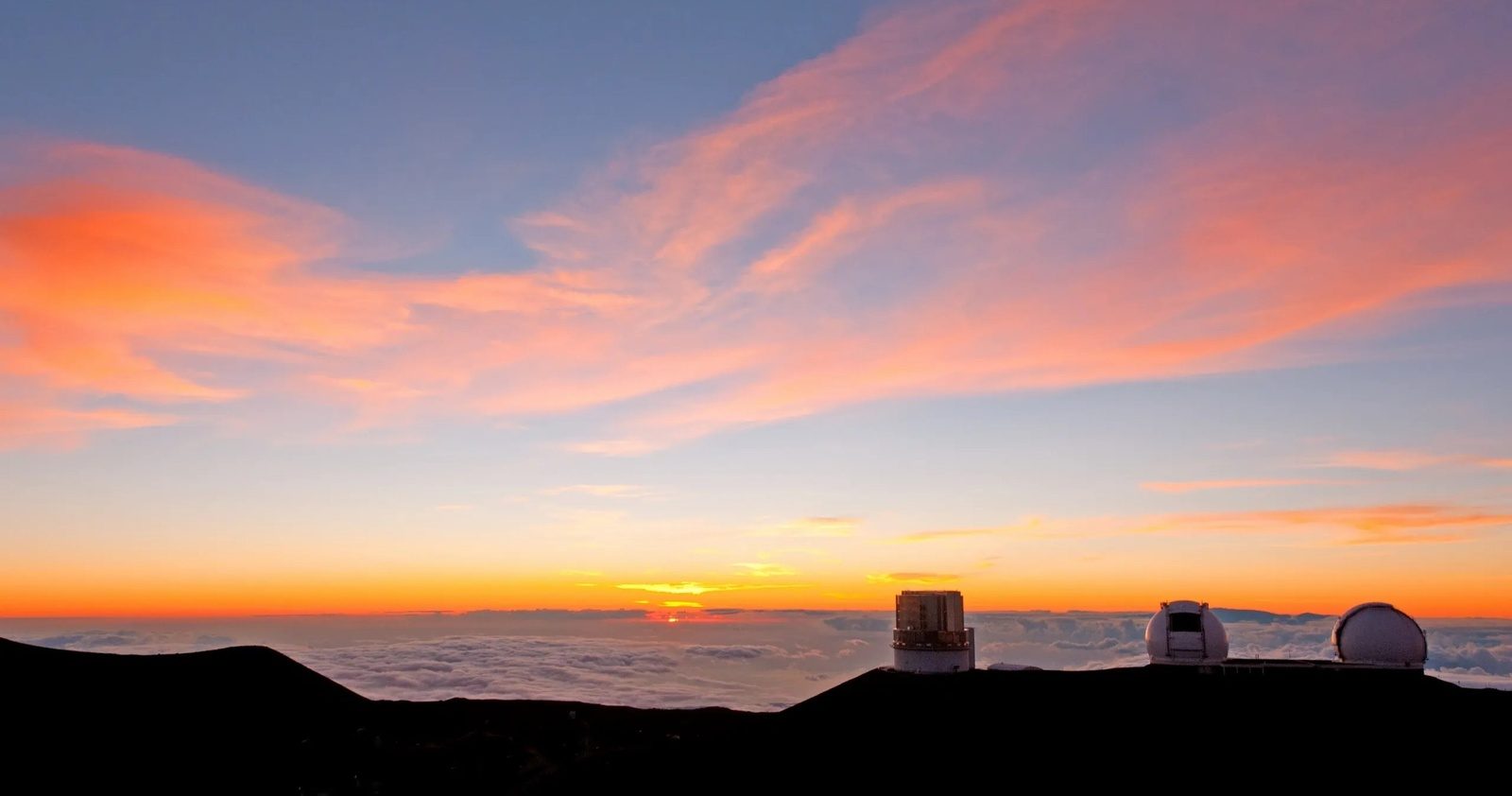
- Sunset from the 13,803-foot summit of Maunakea, usually high above the clouds
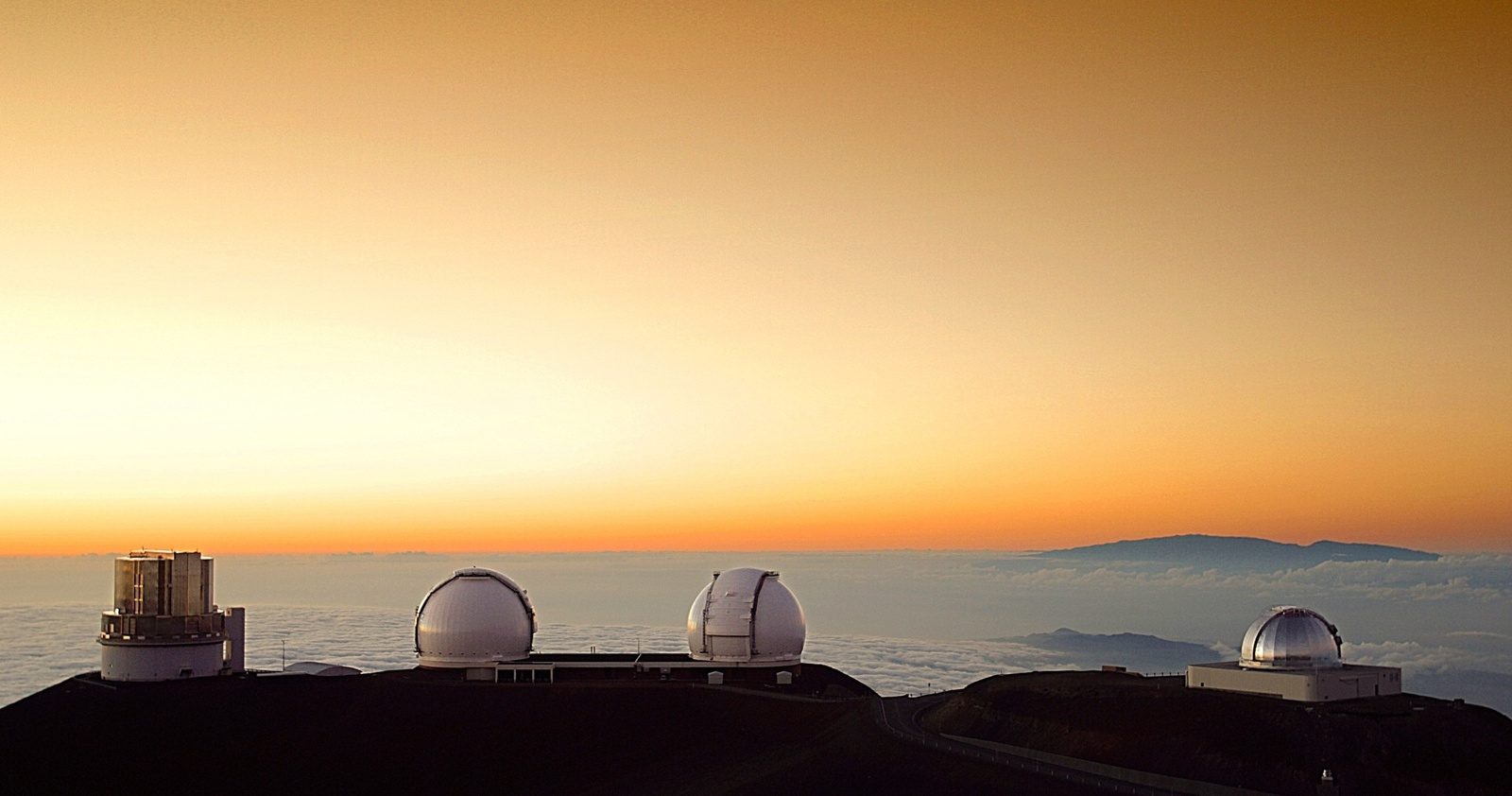
- The world's largest collection of research telescopes, including two of the eight that took the first photo of a black hole
- Hot drinks after sunset, when the summit is near freezing
- A private star show through a professional telescope, weather permitting
- Your guide takes your photo at the summit and emails it to you
- Pickup in Hilo, the closest big town to the mountain; a Kona-side version is available
The Maunakea summit tour is the strangest and most beautiful evening you can spend in Hawaiʻi. You leave the warm, green Hilo side in shorts weather and a few hours later you are standing at 13,803 feet in a heavy jacket, above the clouds, watching the sun go down behind a row of the biggest telescopes on Earth. Then the stars come out, and there are more of them than you have ever seen.
This page covers the summit tour we book from Hilo, what it costs, who cannot go, and the two things that catch people out: the cold and the altitude.
Why this made our list
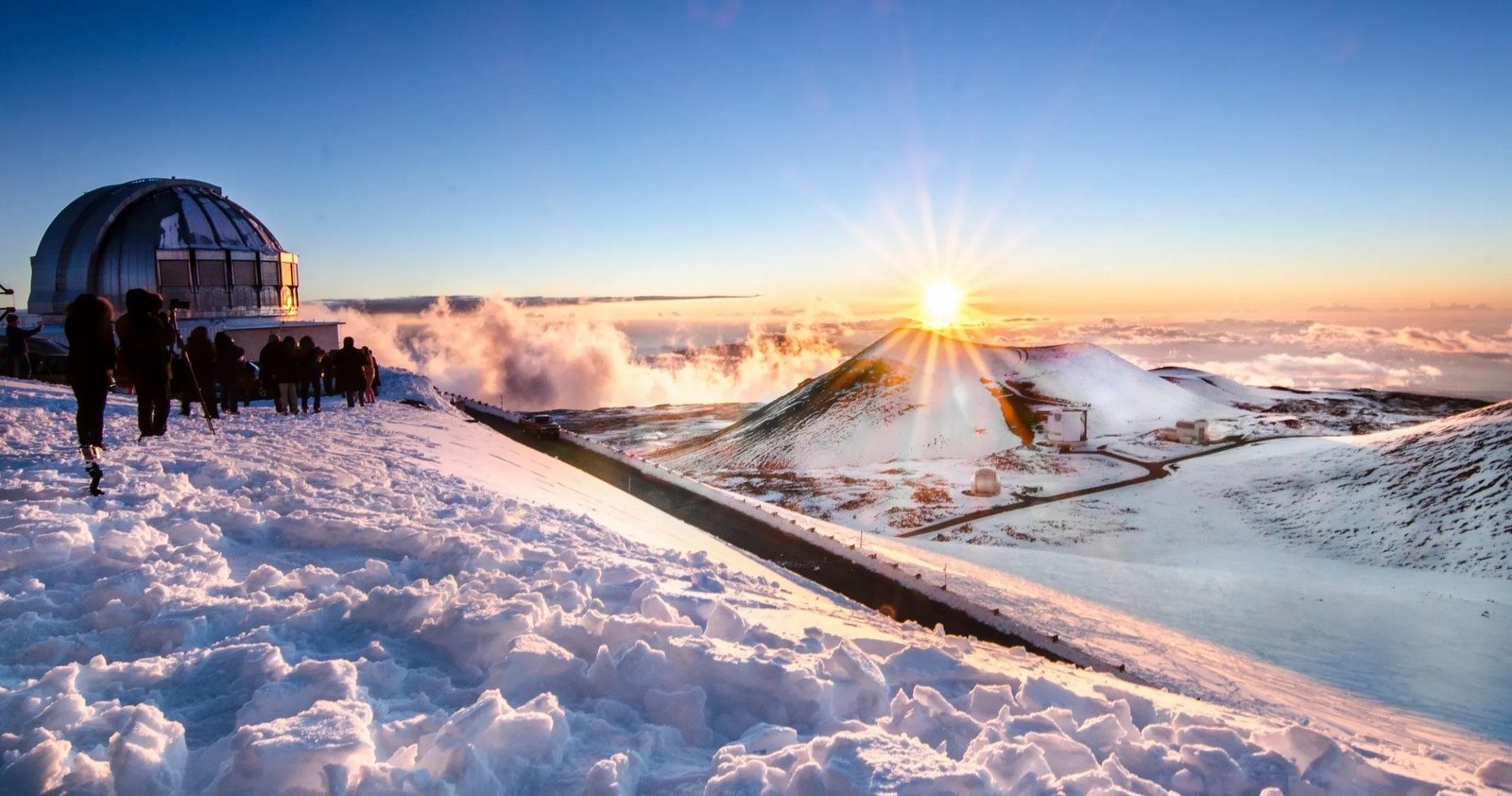
The summit is the first reason. Maunakea is the highest point in Hawaiʻi at 13,803 feet, and on most evenings the clouds sit well below you. Sunset from up there, with the shadow of the mountain stretching out over the cloud layer, is one of the great views on the planet.
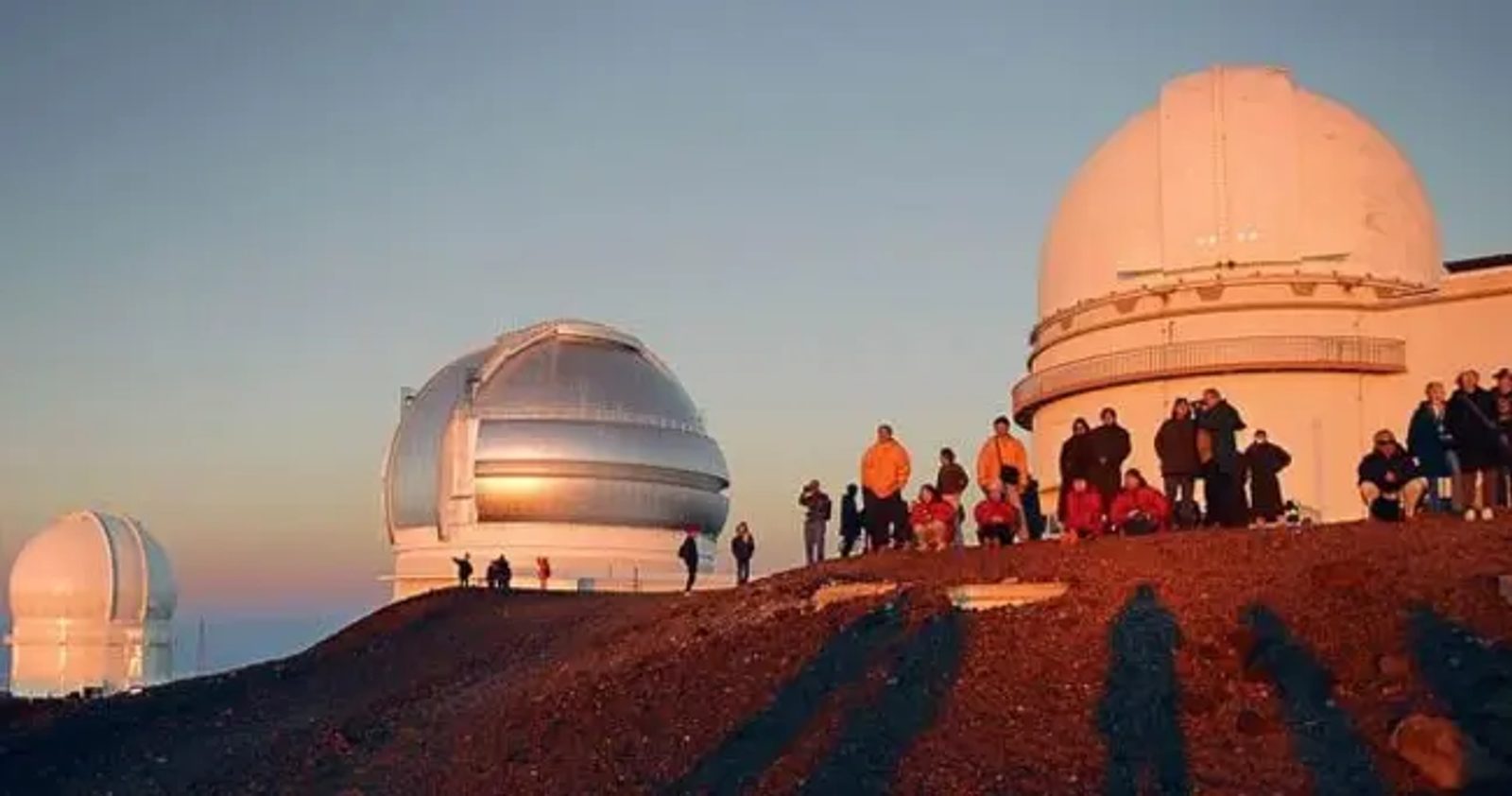
The telescopes are the second. The summit holds the world’s largest collection of research telescopes, including two of the eight that took the first photo of a black hole. You are not going inside them, but standing among the domes at sunset is something you will remember.
There is also the change in scenery on the way up. In a few hours you go from the rain forest outside Hilo, across the high lava plains of the saddle between Maunakea and Mauna Loa, to a summit of red and black cinder cones that looks more like Mars than Hawaiʻi.
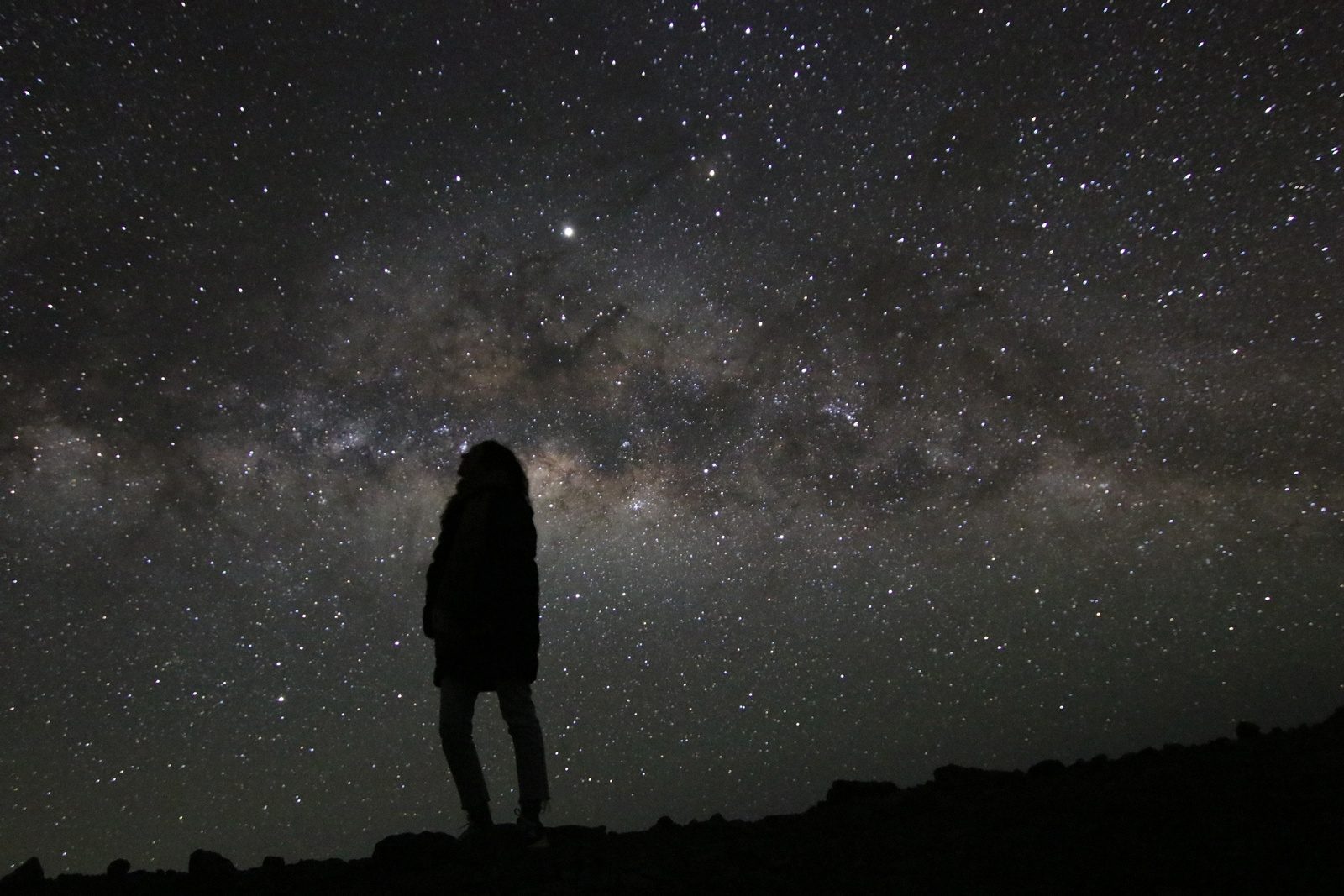
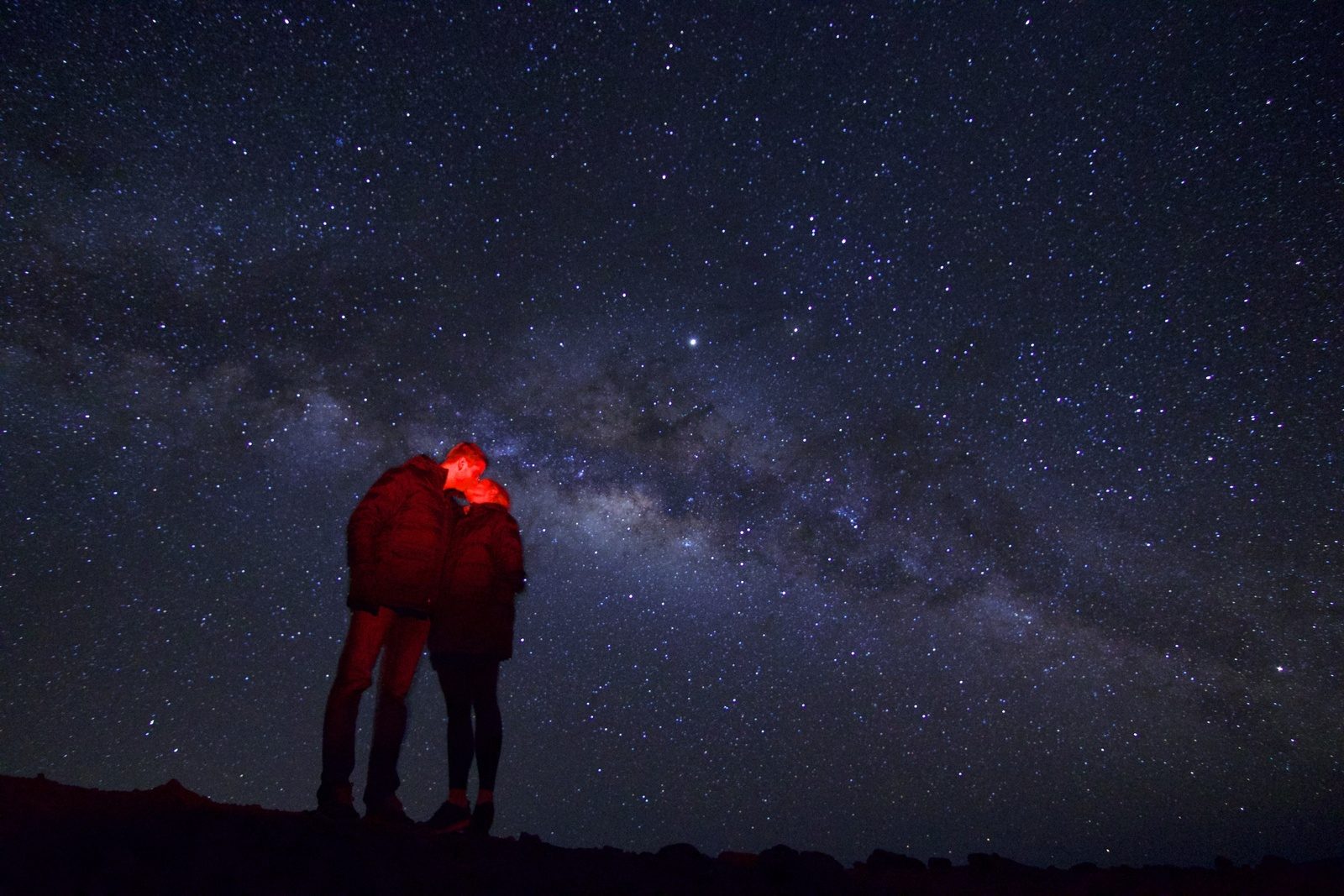
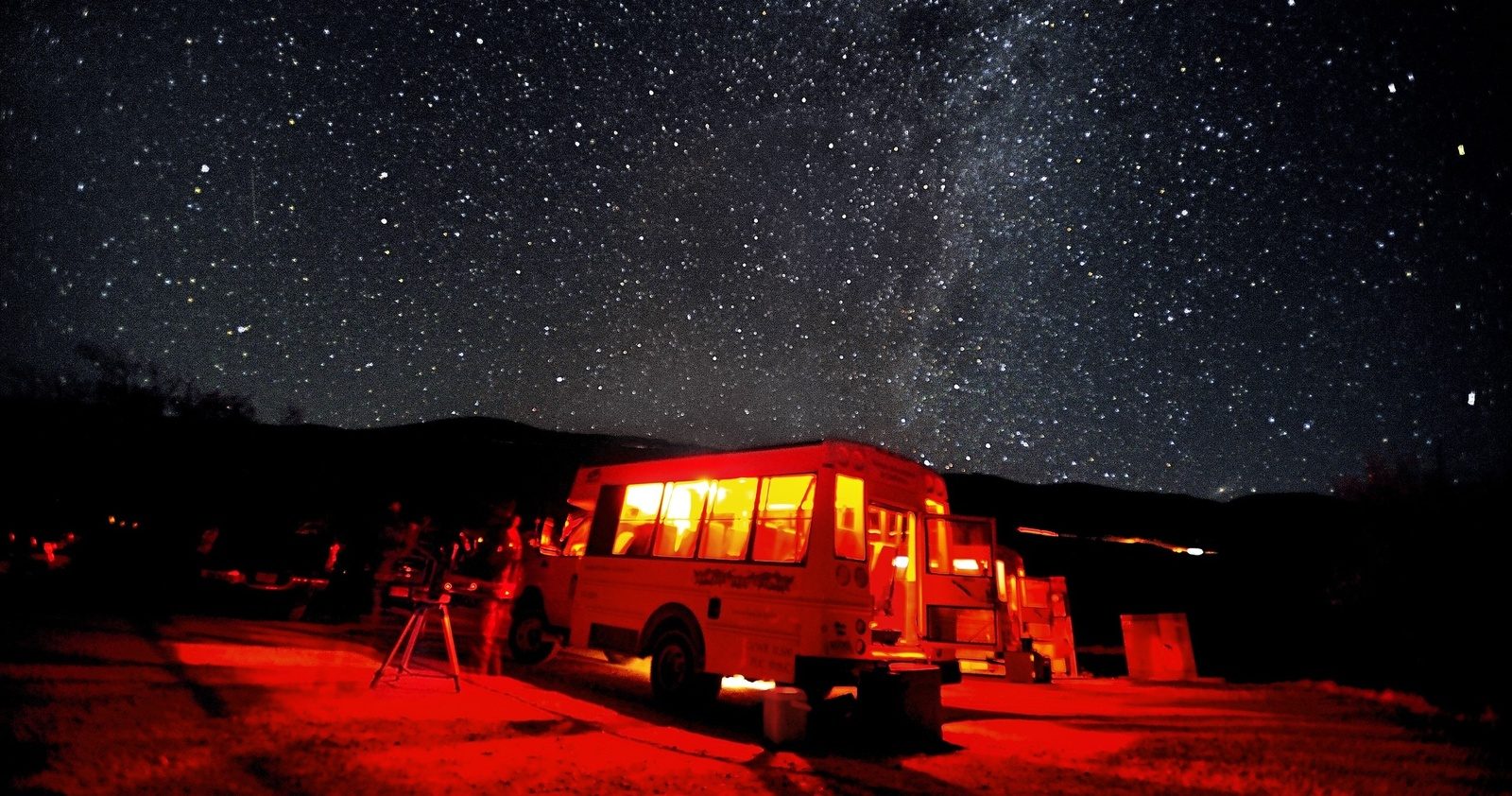
The third is what happens after dark. After sunset the guide serves hot drinks and runs a private star show through a professional telescope, weather permitting. Your guide also takes your photo at the summit and emails it to you, so you are not fumbling with a phone in gloves.
Why this operator
We compared the summit tours on three things: where they pick up, how they handle the altitude and the cold, and what happens after sunset. Some tours stop at the visitor station and never go to the summit. This one gives you sunset at the top and a telescope session afterward, and it picks up in Hilo, the closest big town to the mountain, which keeps the drive short. If you are staying in Kona or Waikoloa, book the Kona-side version from the second button.
What the Maunakea summit tour is like
The tour runs 7 to 8 hours from pickup. Pickup times shift with the sunset through the year, so check your confirmation. Here is how the evening goes.
- Pickup in Hilo. Your guide collects you in town in the afternoon.
- Up Saddle Road. The highway climbs between Maunakea and Mauna Loa, out of the rain forest and into open lava country.
- The altitude stop. Summit tours typically pause at the visitor station level, around 9,200 feet, so your body can adjust before the final climb. Drink water and move slowly.
- The summit road. The last stretch climbs steeply past the cinder cones to the telescopes at the top.
- Sunset at 13,803 feet. You step out among the domes, the air thin and cold, and watch the sun sink into the clouds. Your guide takes your photo.
- Hot drinks and stars. After sunset you head back down the mountain, warm up with hot drinks and look through a professional telescope at whatever the sky is offering: planets, star clusters, the moon.
- Back to Hilo. A quiet ride down to town.
Prices and what you get
The Hilo tour is from $269 per person plus tax and booking fees. That covers transport up the summit road and back, a guide, sunset at the summit, hot drinks, the telescope star show (weather permitting) and an emailed summit photo. Check the booking page for whether parkas and food are included. Gratuity is extra.
The Kona-side summit tour is from $299, runs 7 to 8 hours, caps the group at 12, and offers a 24-hour cancellation window.
Who it’s for (and who should skip it)
Anyone 13 or older in good health who wants the most dramatic sunset in Hawaiʻi. Couples, photographers, anyone with an interest in astronomy, and families with teenagers.
Skip it if anyone in your group is under 13; commercial tours cannot take them above the visitor station. Skip it if you are pregnant or have a heart or lung condition, for the same reason. If your group cannot do the summit, the Volcanoes National Park twilight tour also ends with stargazing and has no altitude limit.
Where to check in and how to get there
The tour picks up in Hilo. Your exact pickup point and time are in your booking confirmation. If you are staying on the Kona side, Hilo is about 2 hours away by Saddle Road, which is why the Kona-side tour exists. Pickups for that one are at the King Kamehameha Marriott, the Four Seasons, Queens’ Marketplace, Waikoloa Plaza and the Onizuka Visitor Center. Our Kona vs Hilo guide explains how to split your stay if you want to do the east side properly.
Best time to go
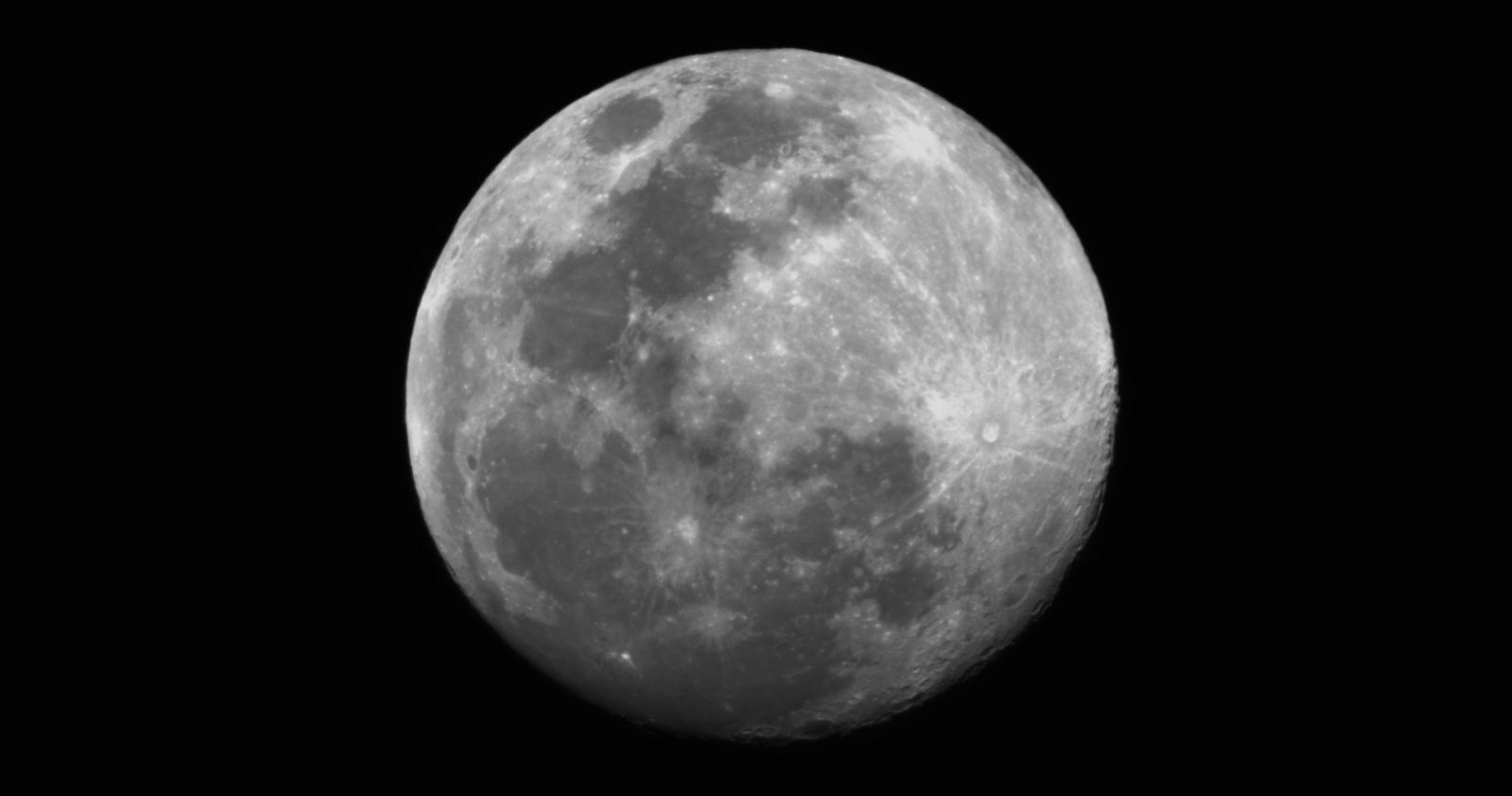
Time of month. The nights around the new moon are the darkest and the best for faint stars and the Milky Way. A full moon washes out the faint stuff, though the moon itself is a fine telescope target.
Time of year. The tour runs year round. Winter brings the most snow and the most storms, and weather can close the summit road on any day of the year. Build some slack into your trip so you can rebook. Our best time to visit the Big Island guide covers the seasons in more detail.
Local tips before you book
- Dress for winter. It is near freezing at sunset. Hat, gloves, warm jacket, long pants, real shoes.
- Book it early in your trip. If weather closes the road, you have time to try again.
- Do not scuba dive in the 24 hours before. Going to altitude soon after diving is a well-known risk; leave a gap.
- Drink water all day. The air at the summit is thin and dry.
- Know the signs of altitude sickness. Headache, dizziness, nausea or unusual shortness of breath mean you should tell your guide right away. The fix is going down, and the guide will know what to do.
- Respect the mountain. Maunakea is sacred in Hawaiian tradition. Stay on the paths, do not stack or take rocks, and keep your voice down at the top.
- Pair it with a Hilo day. Do the Hilo waterfall hike in the morning, then get picked up for the summit in the afternoon.
The verdict
If everyone in your group is 13 or older and healthy, book the Maunakea summit tour. Sunset at 13,803 feet above the clouds, the world’s great telescopes around you, then hot drinks and a telescope under one of the darkest skies on Earth. Dress for winter, go near the new moon if you can, and give yourself a spare night in case the mountain says no.
Photos
Know before you go
What's included
- Round-trip transport from Hilo up the summit road and back
- Sunset at the summit with a guide
- Hot drinks
- Stargazing with a professional telescope, weather permitting
- A summit photo taken by your guide and emailed to you
Not included
- Tax and booking fees
- Gratuity for your guide
- A guaranteed sunset or star show; summit weather decides
- Cold-weather gear unless the booking page says it is provided
What to bring
- Your warmest layers: a jacket, hat and gloves; it is near freezing at sunset
- Long pants and closed-toe shoes
- Lip balm and sunglasses for the thin, dry air
- Water, and a light snack if the booking page does not list food
Restrictions
- Ages 13 and up; under-13s are not allowed above the visitor station on commercial tours
- No one who is pregnant or has heart or lung conditions may go above the visitor station
- Weather can close the summit road; the tour may change or cancel
- Check the booking page for the cancellation window on the Hilo tour; the Kona-side tour allows 24 hours
Frequently asked questions
How much is a Maunakea summit tour?
From $269 per person from Hilo, plus tax and booking fees. The Kona-side summit tour is from $299 with pickups at Kona and Waikoloa locations.
Is the Maunakea summit tour worth it?
Yes, if you can handle the altitude and the cold. Watching the sun go down above the clouds at 13,803 feet, then looking through a real telescope, is unlike anything else in Hawaiʻi.
How cold is the Maunakea summit at sunset?
Near freezing, often colder with the wind. Dress as you would for a winter evening on the mainland: a heavy jacket, hat, gloves, long pants and closed-toe shoes.
Can kids go to the Maunakea summit?
Not on a commercial tour if they are under 13. Children under 13 are not allowed above the visitor station, so book this only if everyone in your group is 13 or older.
Who should not go to the summit?
Anyone who is pregnant or has a heart or lung condition. The air at 13,803 feet has much less oxygen, and commercial tours will not take you above the visitor station.
How far is Maunakea from Hilo and Kona?
The mountain sits between the two towns, reached by Saddle Road (the Daniel K. Inouye Highway). This tour picks up in Hilo; the Kona-side version picks up at hotels and shopping centers in Kona and Waikoloa.
What is the best time to stargaze on Maunakea?
A clear night near the new moon, when the sky is darkest. A bright moon washes out faint stars but makes a great telescope target in its own right.
Can I drive to the Maunakea summit myself?
The summit road is steep and partly unpaved, and weather can close it. A tour handles the vehicle, the altitude stop and the cold-weather planning for you.
What if the weather is bad?
Summit weather changes fast and the road can close. The star show is weather permitting, so check the booking page for how weather changes and cancellations are handled.
What is the difference between the Hilo and Kona tours?
The Hilo tour is from $269 and picks up in Hilo. The Kona-side tour is from $299, caps the group at 12, and picks up at the King Kamehameha Marriott, the Four Seasons, Queens' Marketplace, Waikoloa Plaza or the Onizuka Visitor Center.
Ready to go?
Book this adventure
Prices from $269 plus tax and fees. Popular dates sell out a week or more ahead in peak season.
Last updated October 27, 2026 · Written by Big Island locals who spend their days on the water, the volcano and the trails.